
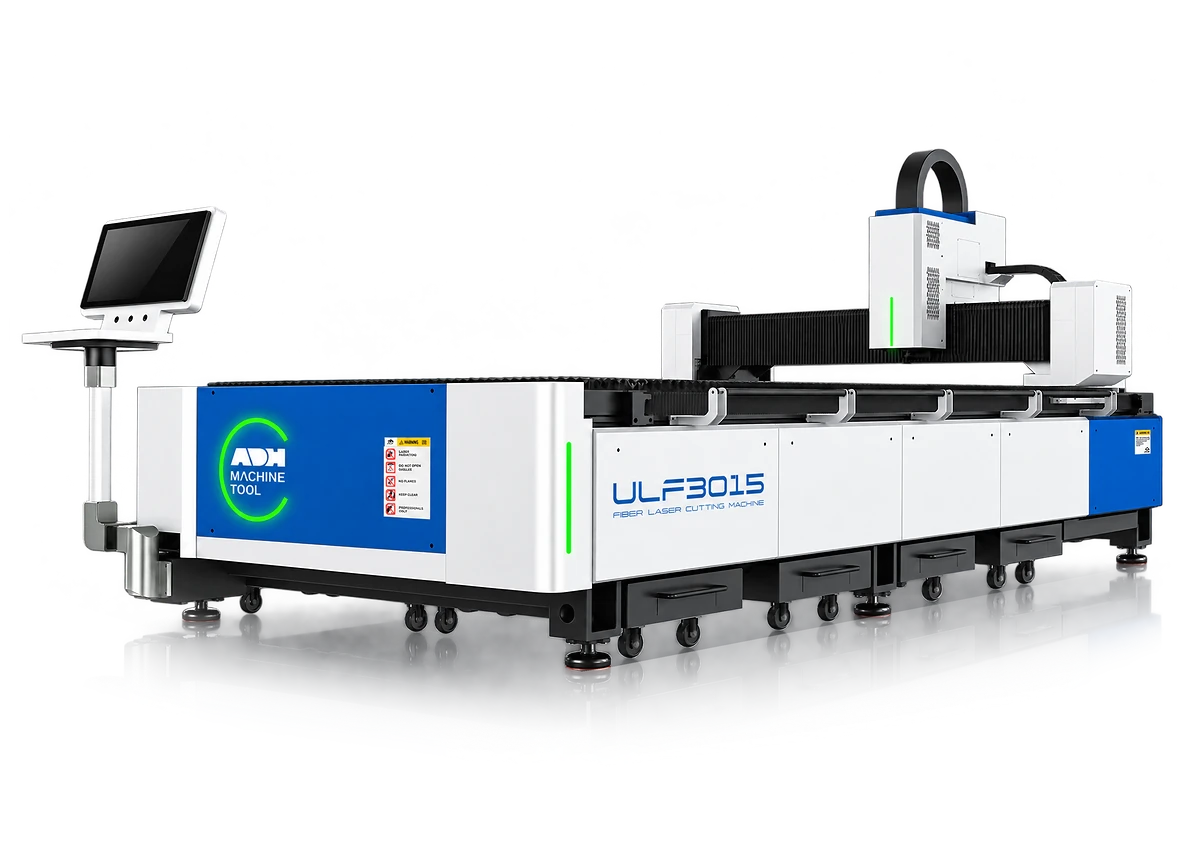
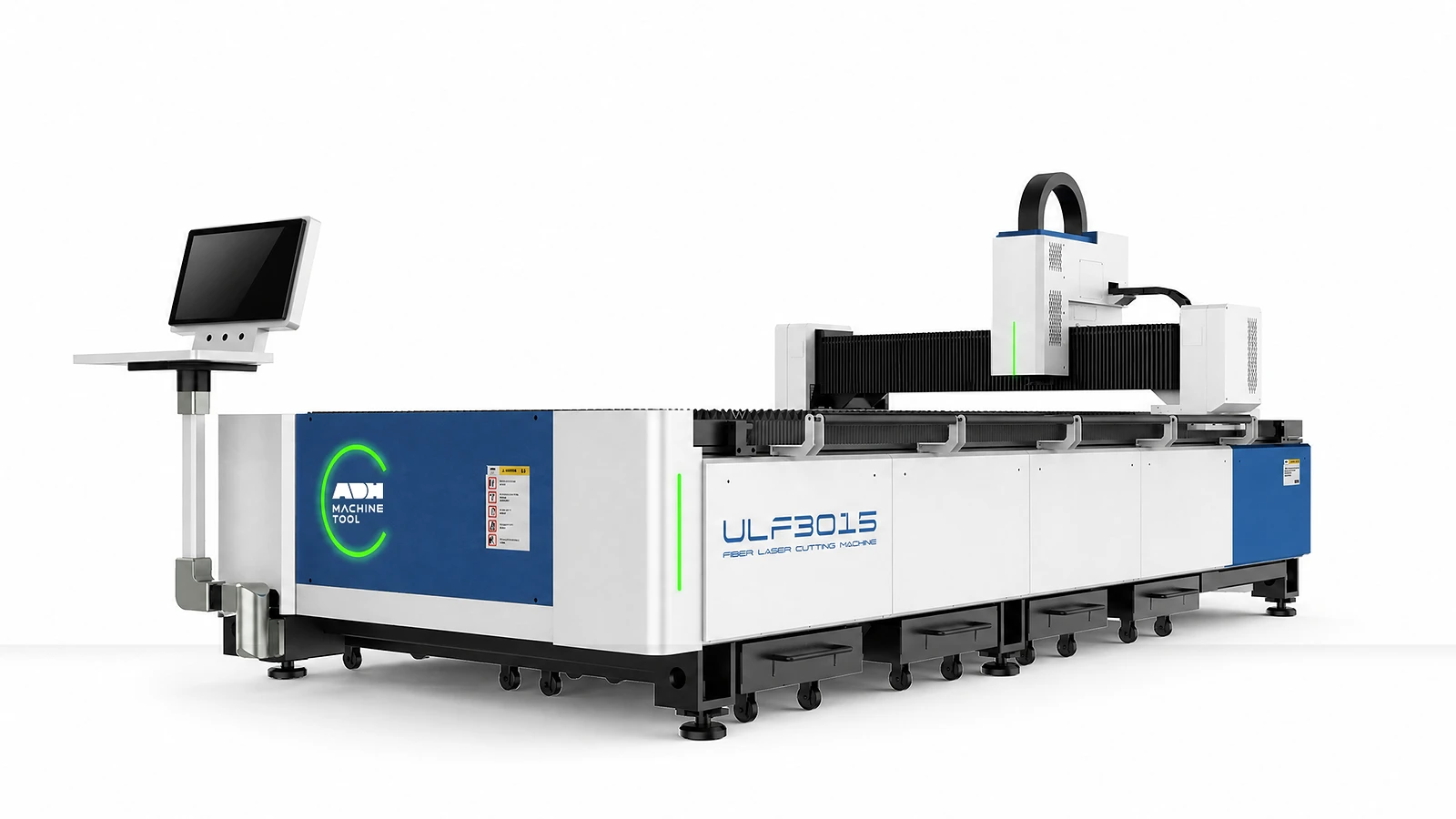
Model: ULF
Single Table Fiber Laser Cutting Machine
A stationary cutting table keeps the layout simple where loading and unloading can be scheduled around the cutting cycle.
Fiber Laser Cutting
Cut sheet, tube, H-beams and large-format plate with a laser system matched to your parts and production flow.
Selection comparison
Start with sheet, tube or structural-profile work, then compare loading, enclosure and working format. Power alone does not identify the right platform.
Your workload
Start with
Main point to compare
Sheet cutting with loading between cycles
Start with
ULF · Single tableMain point to compare
A stationary table with loading and unloading scheduled around cutting.
Sheet cutting with a separate preparation table
Start with
ULE · Exchange tablesMain point to compare
Prepare or remove sheets on the other table; check the model’s sheet format and table load.
Both sheet and tube work
Main point to compare
Compare the workpiece ranges, changeover and handling; ULET adds an enclosed work area and extraction path.
Tube and structural-profile production
Main point to compare
Compare dedicated tube lasers with ULH H-beam, plate and heavy-tube processing.
Large plates and long workpieces
Start with
ULG · Ground railMain point to compare
Review the extended working area, foundation, extraction and material handling.
Small parts with precision requirements
Start with
ULJM5035 · Precision laserMain point to compare
Match fixture, optical process and working envelope; verify the result on the agreed sample.
Choose power, gas, head and process settings from the material and sample requirements of one selected configuration.
Choose your system
Model: ULF
A stationary cutting table keeps the layout simple where loading and unloading can be scheduled around the cutting cycle.
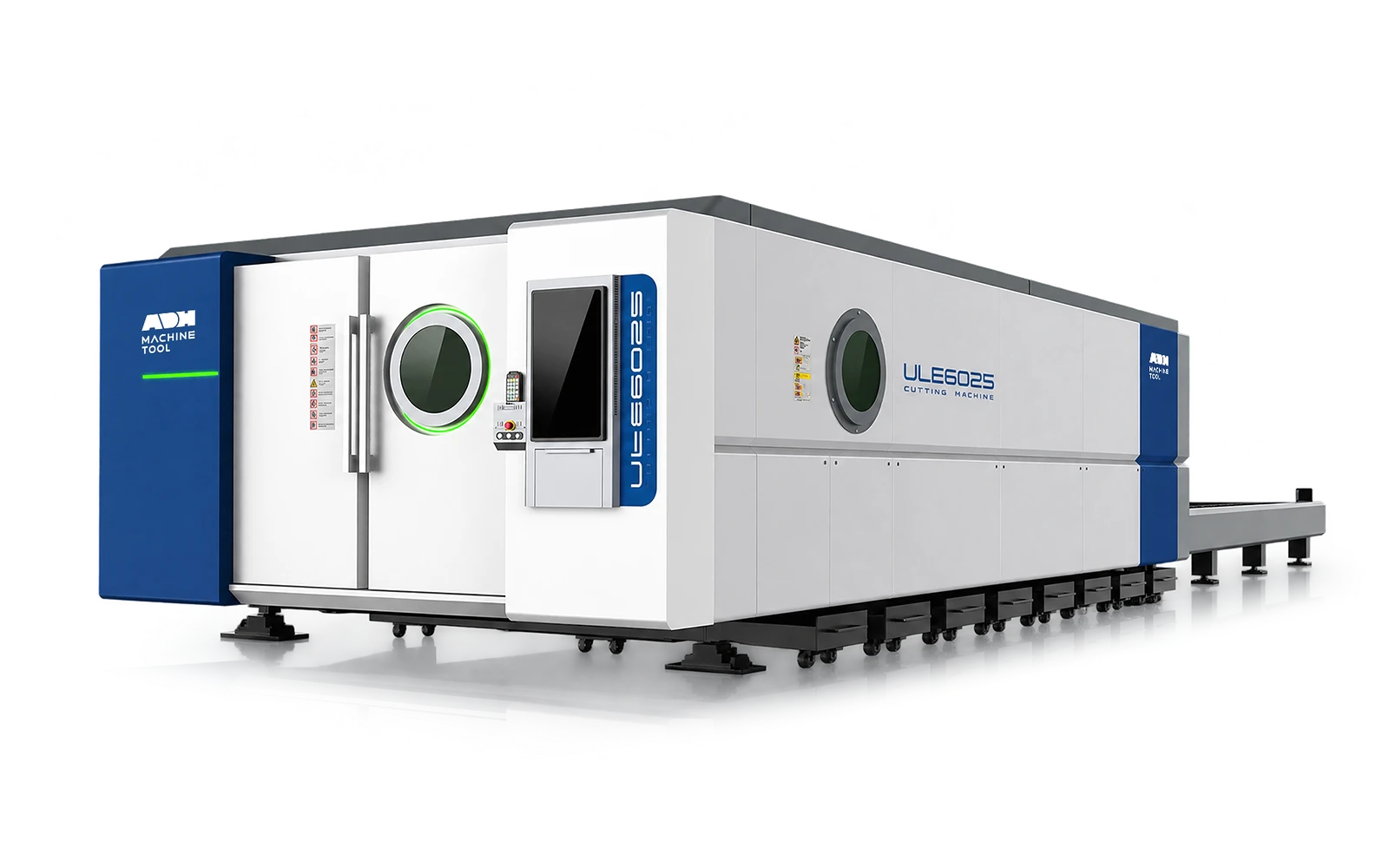
Model: ULE
Exchange tables allow sheet preparation and part removal while the other table remains in the cutting workflow, reducing handling interruptions.
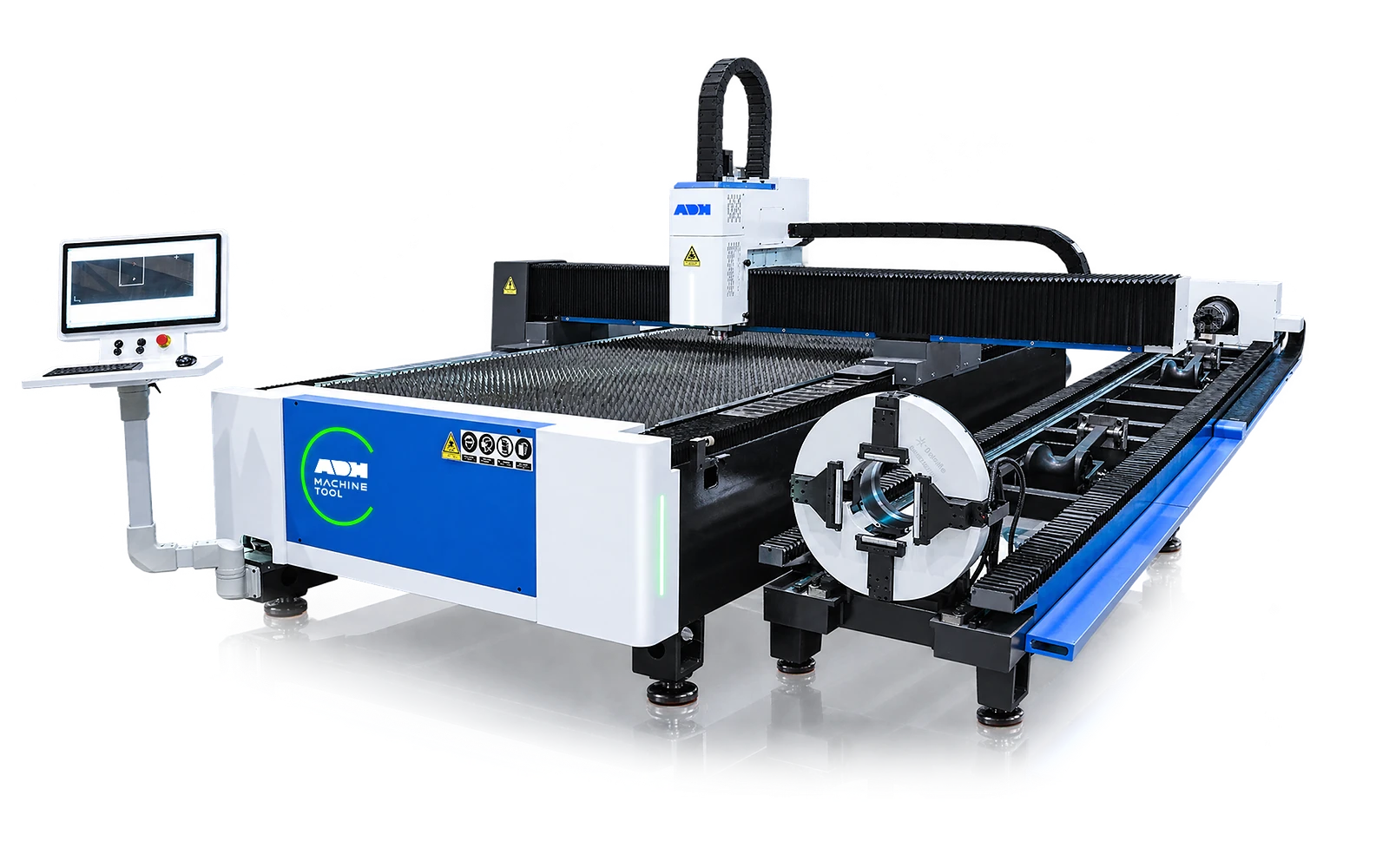
Model: ULFT
A combined sheet-and-tube platform consolidates both processes when the workload and floor plan favour one machine.
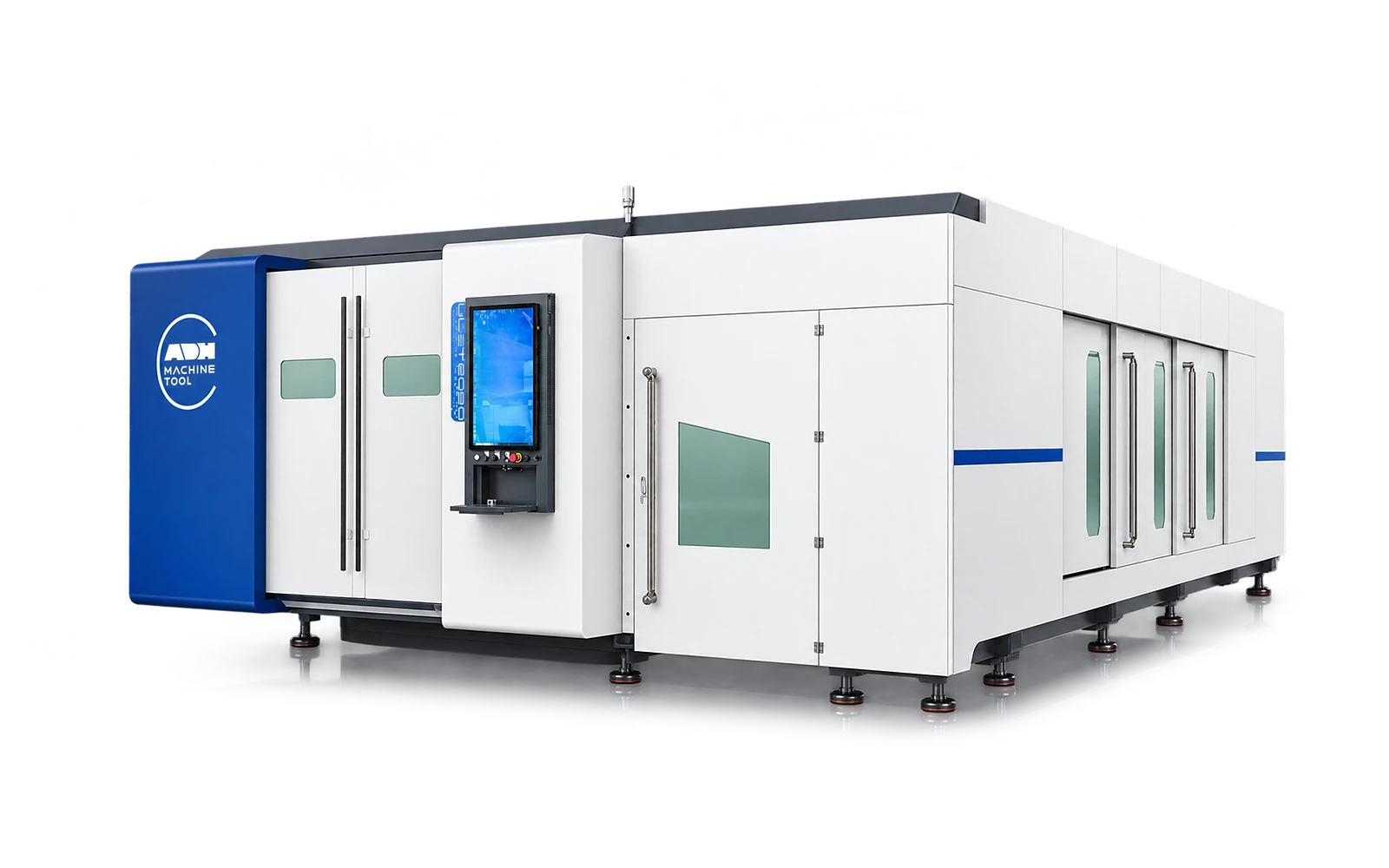
Model: ULET
An enclosed sheet-and-tube platform adds a guarded work area and extraction path while keeping both processes on one machine.
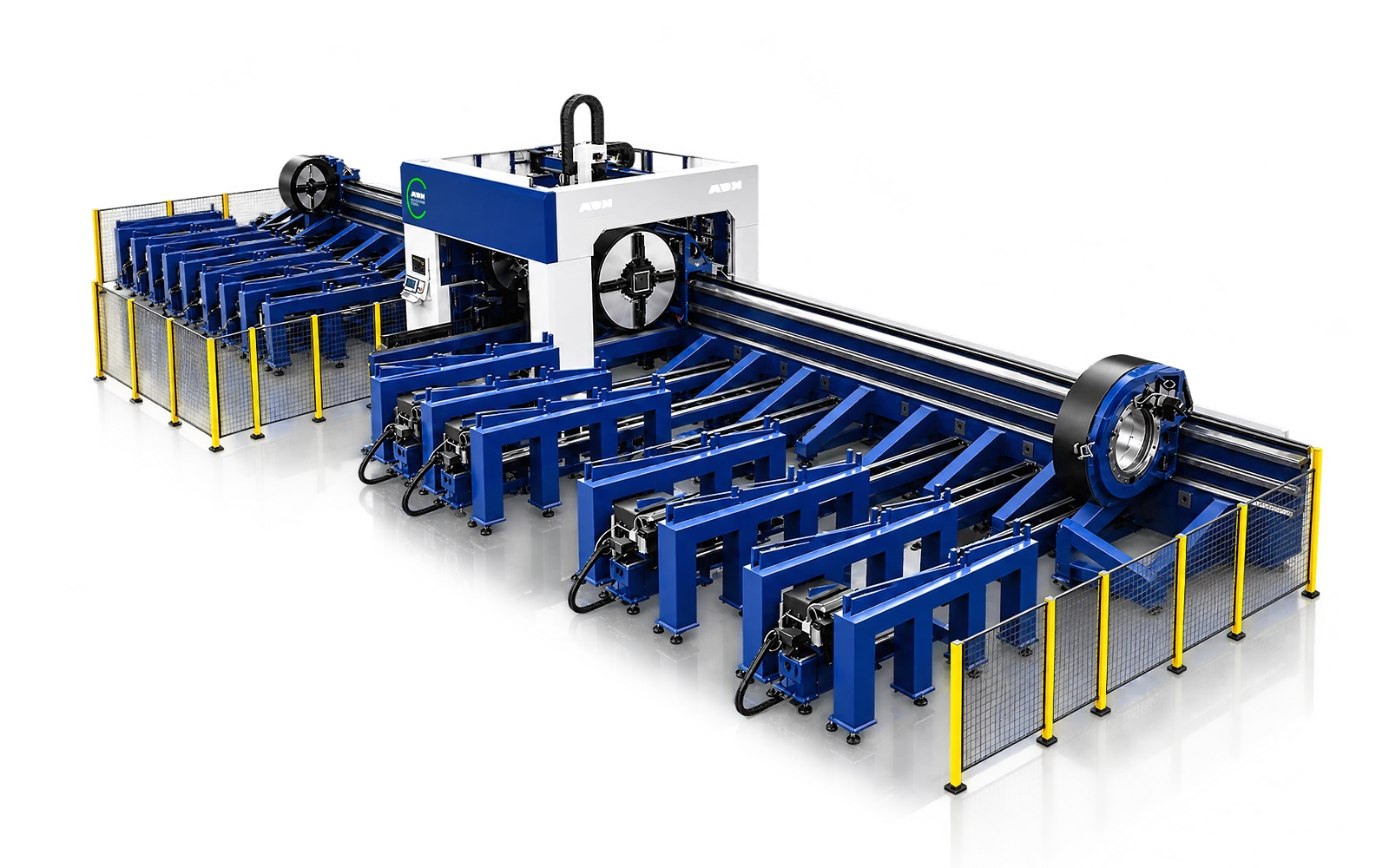
Series: ULT
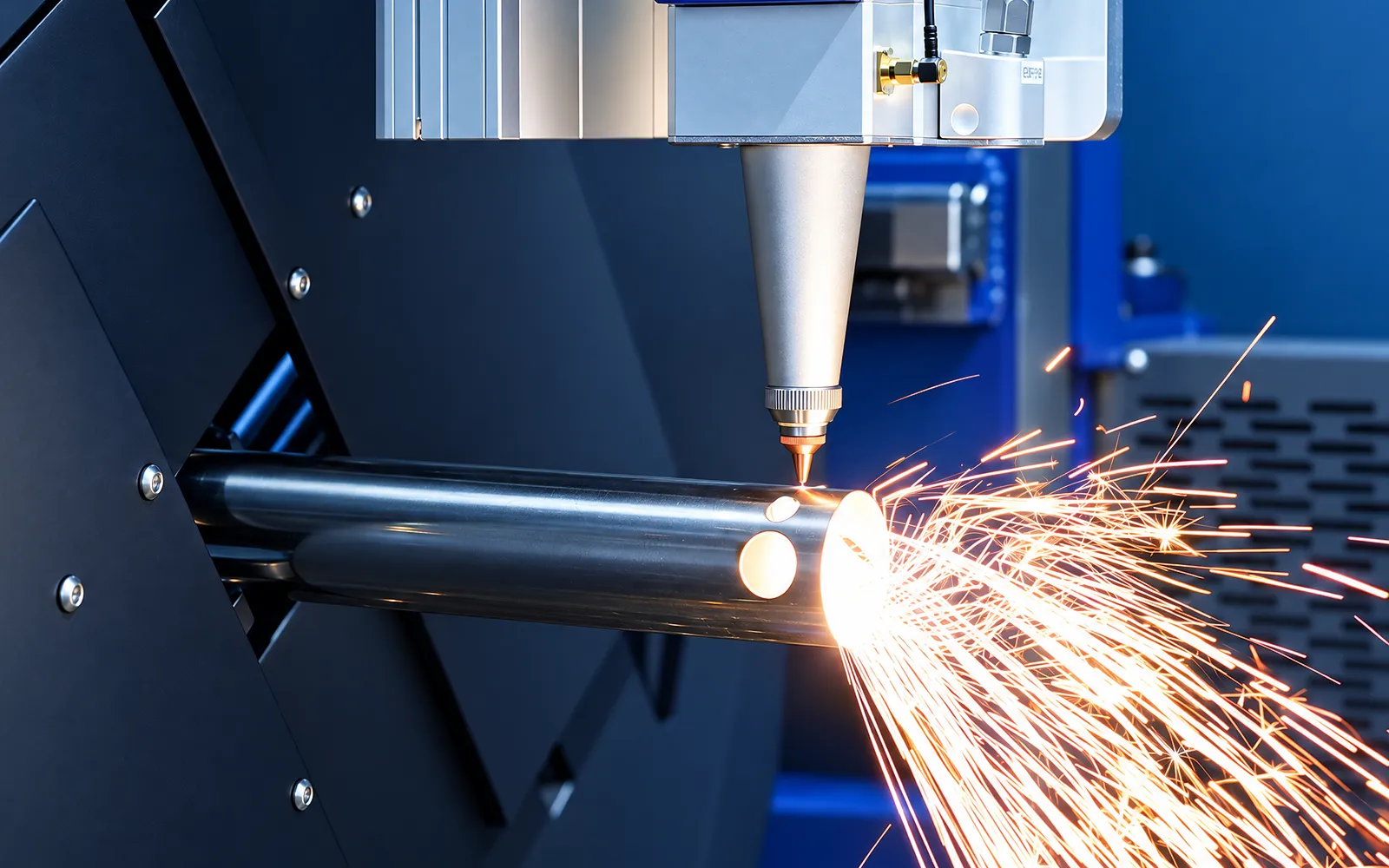
Two- or three-chuck configurations support different profile, length and remnant-control requirements for dedicated tube production.
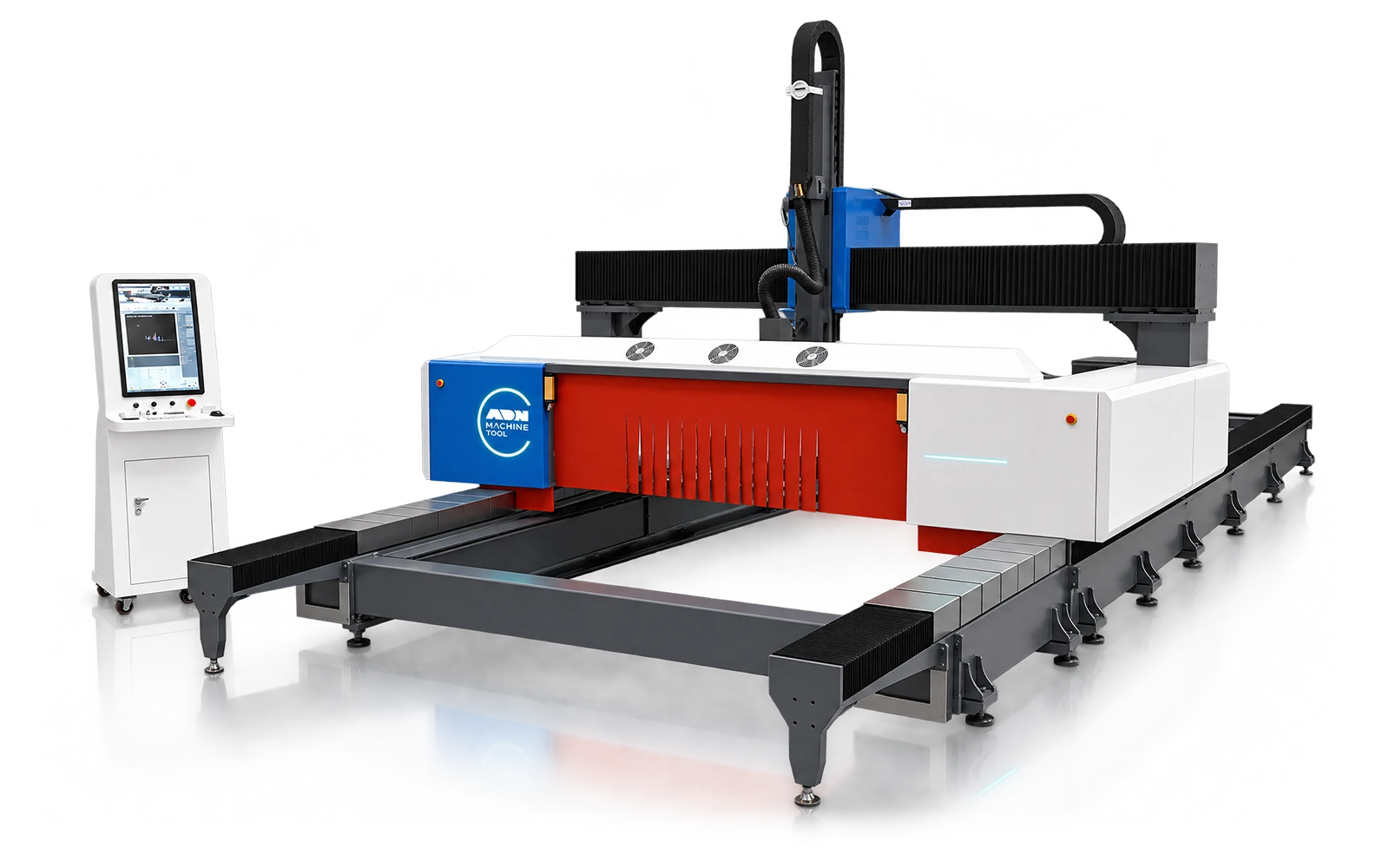
Series: ULH
Cut H-beams and structural profiles with scanning and five-axis control, with plate and heavy-tube processing matched to the configuration.
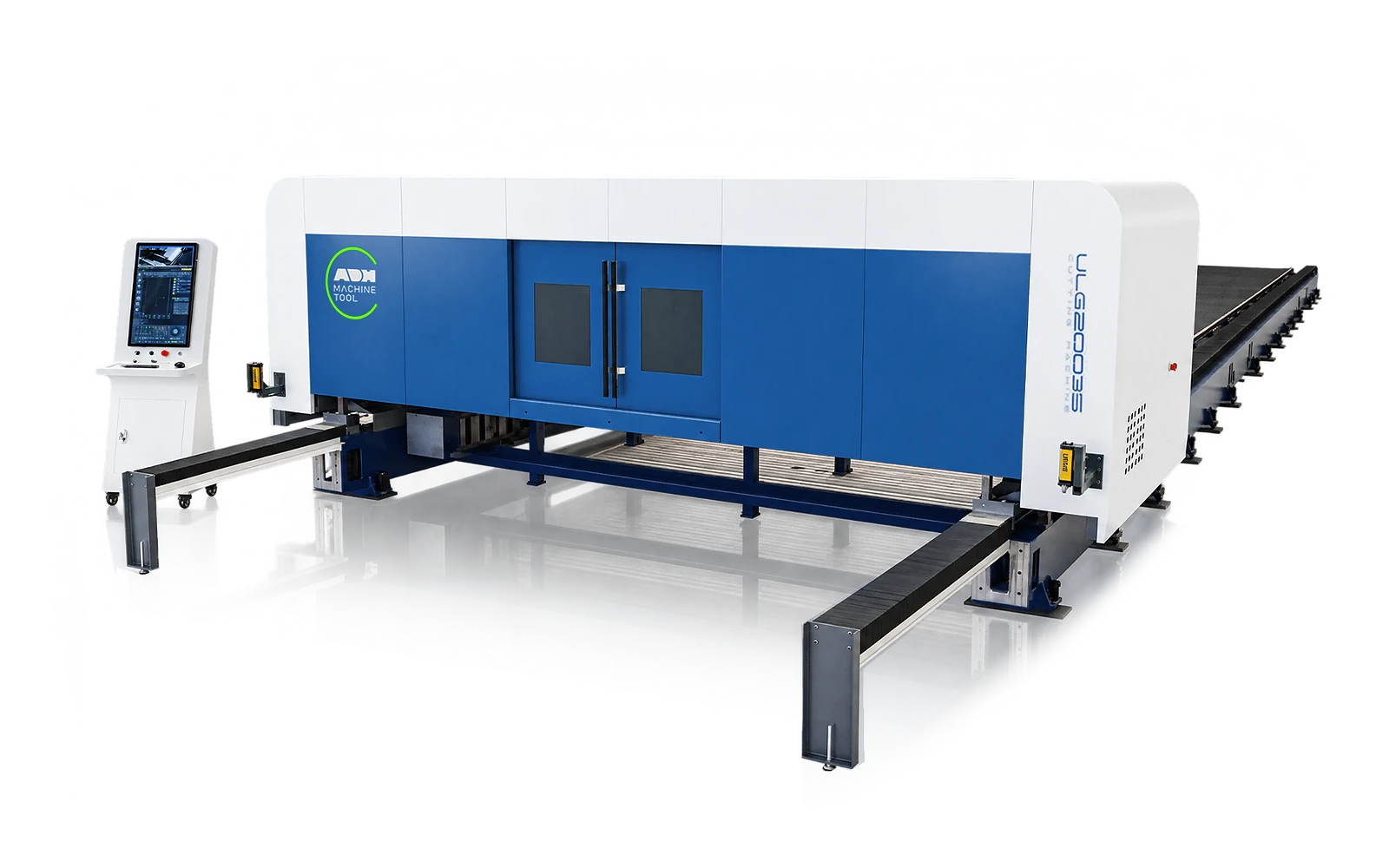
Model: ULG
A ground-rail layout creates an extended cutting area for large plates and long workpieces, with site-engineered extraction and material handling. A full protective enclosure is available as an option.
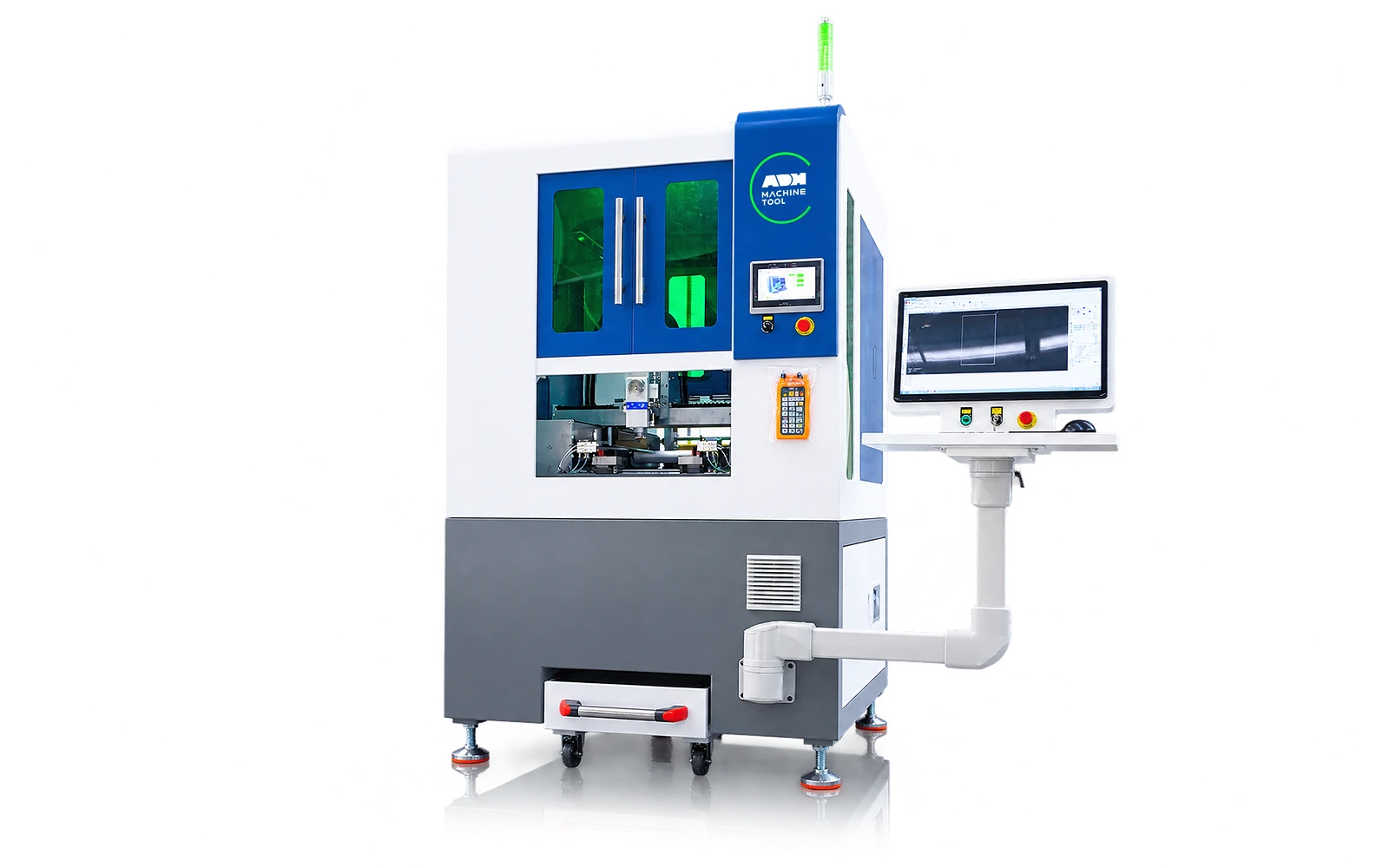
Model: ULJM5035
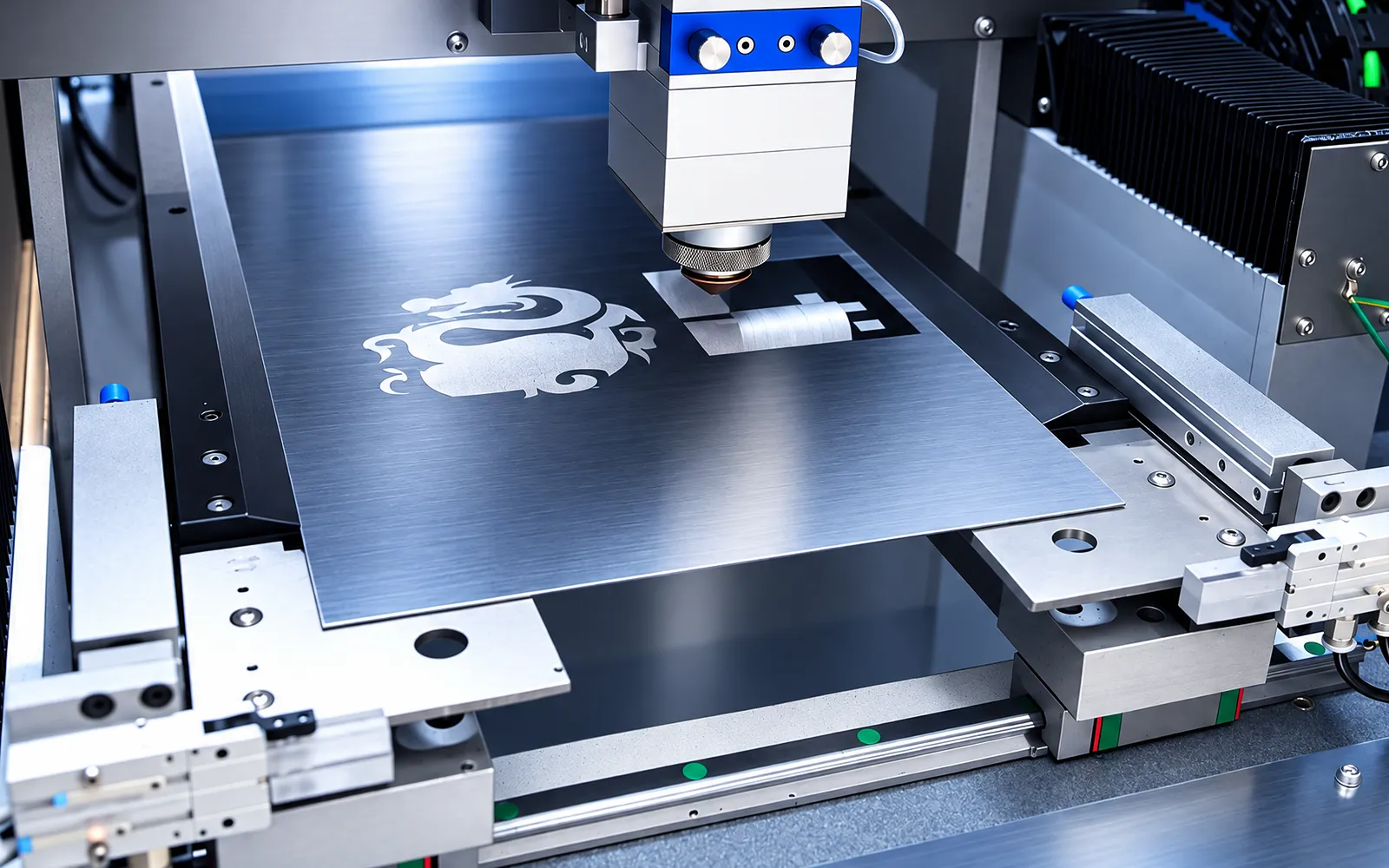
Designed for small, high-precision parts, the ULJM5035 combines fixture-based positioning, fine motion control and an application-specific optical process.
See large-format, profile and tube lasers at work in customer factories in China.
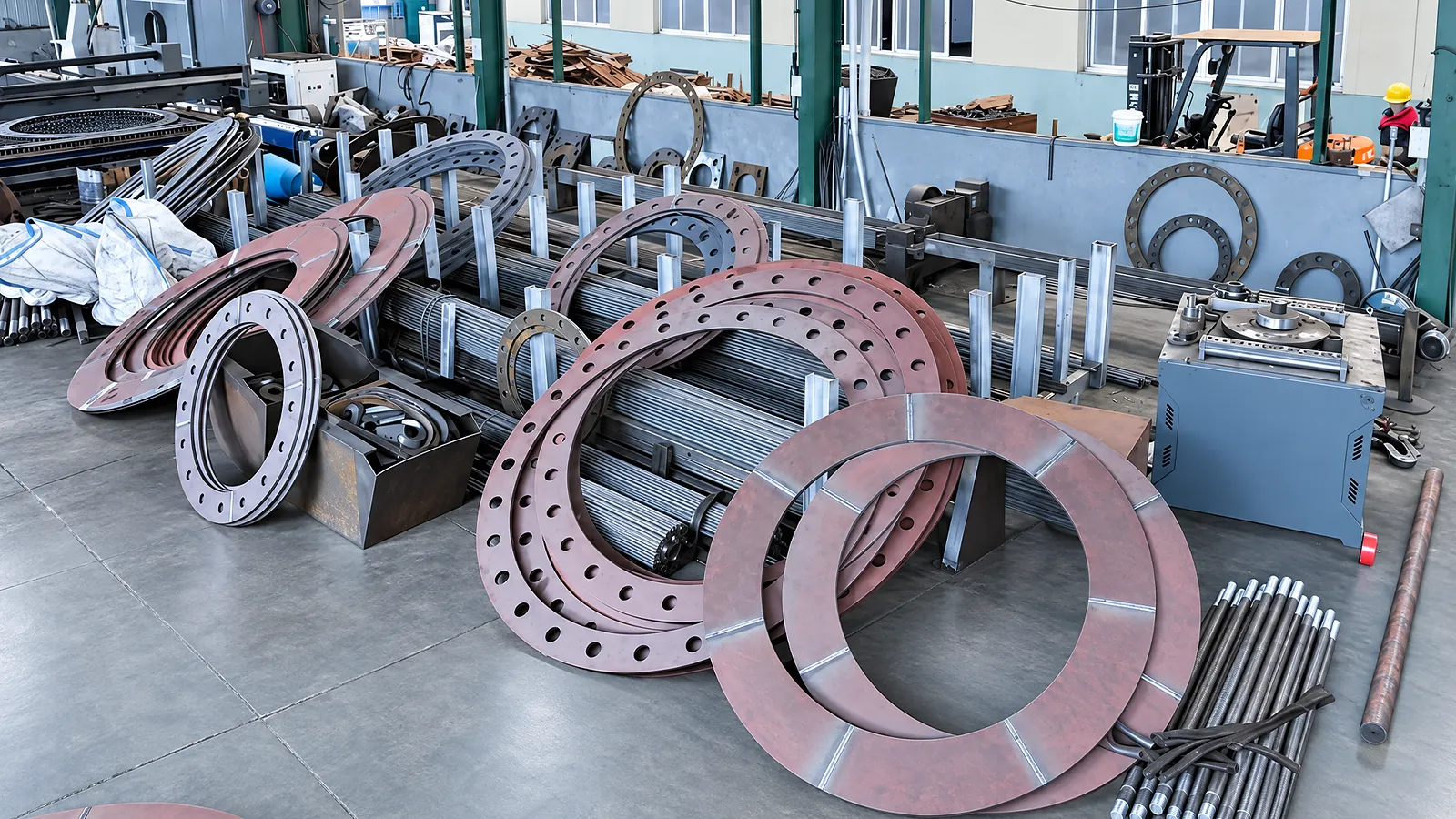
Tower components · Zhejiang, China
Moving tower baseplates and flanges from flame cutting and separate drilling to a combined laser-cutting operation.
Read Feiyue Hardware case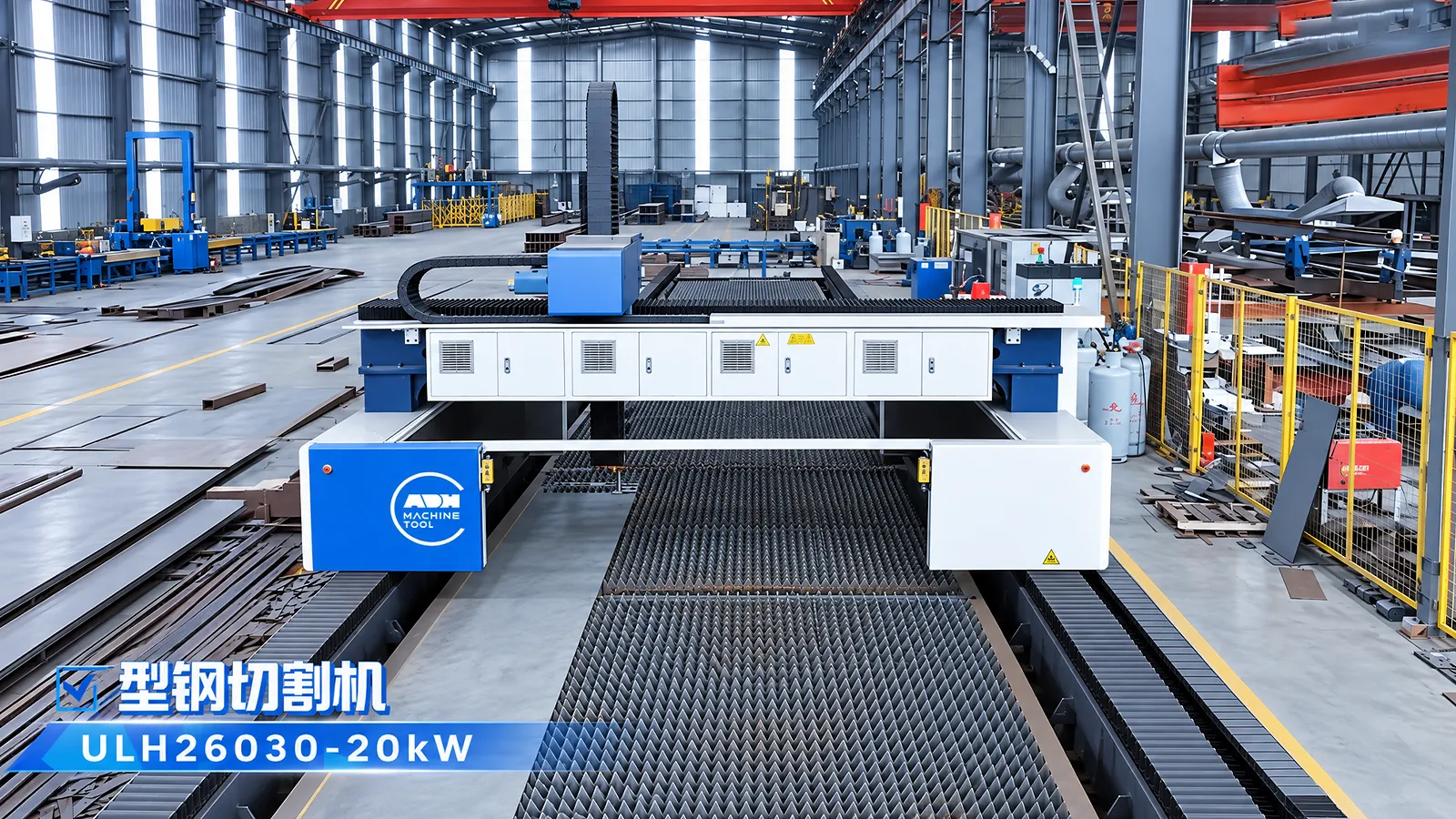
Structural steel · Henan, China
Bringing beam cutting and connection preparation together, with fewer transfers between cutting, drilling and milling.
Read Jiuwu Steel Structure case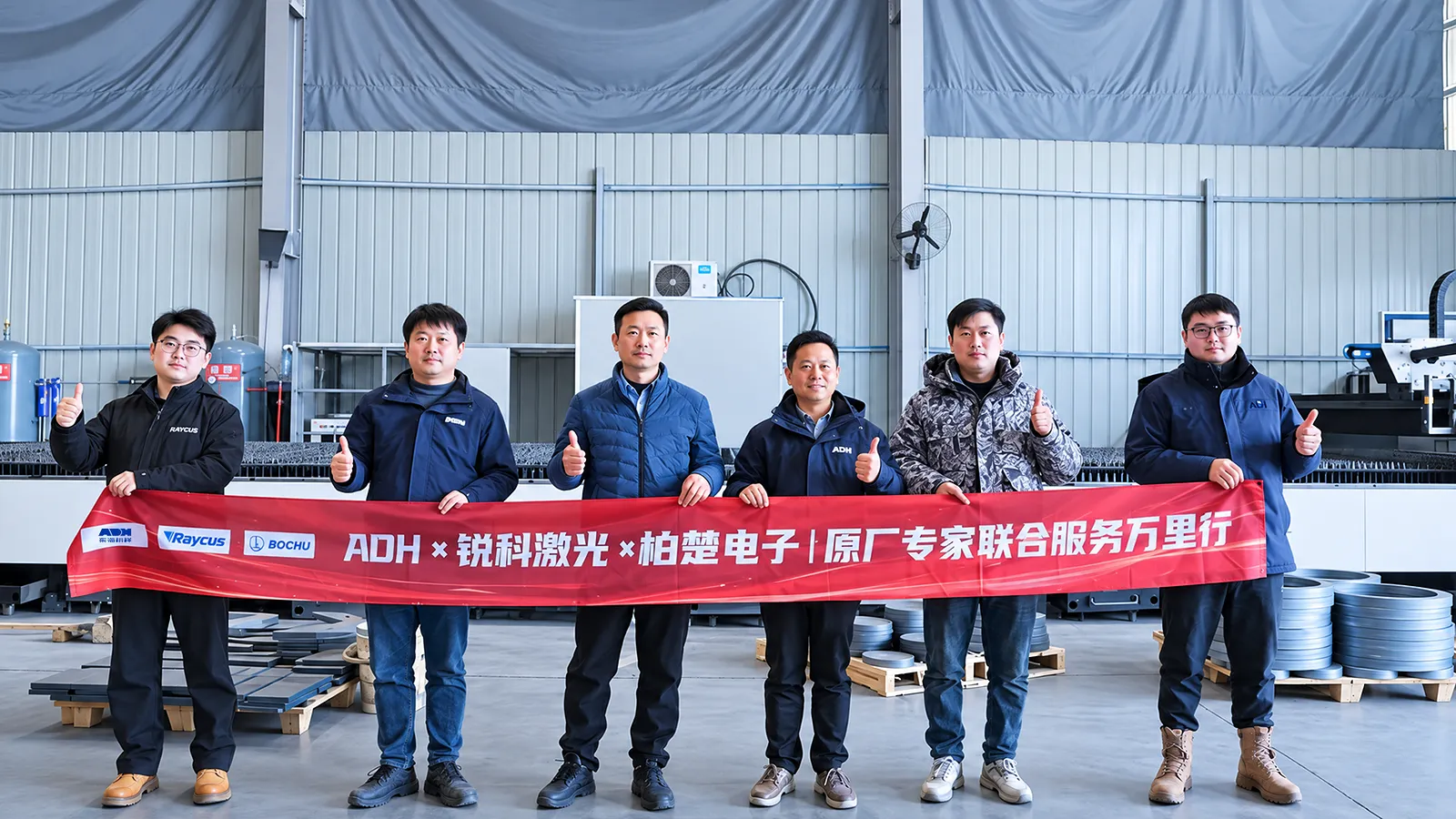
Contract manufacturing · Jiangsu, China
Combining 30 kW plate cutting and 12 kW tube cutting to broaden a contract manufacturer's production capability.
Read Suzhou Guantuo case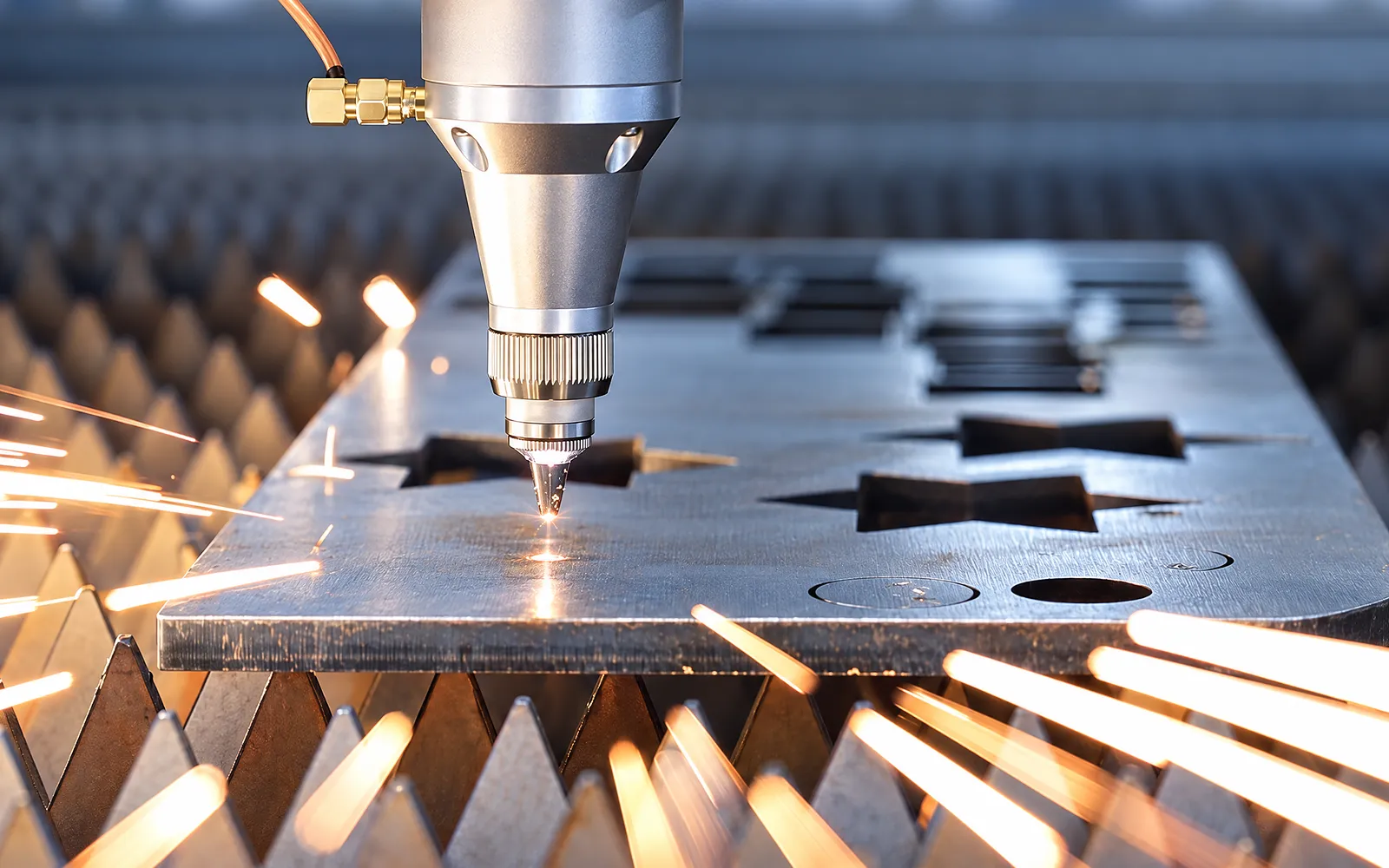
Engineered laser systems
For oversized plate and structural profiles, ADH configures the cutting host, handling, extraction and process package around the workpiece and site.
LARGE-FORMAT PLATE
Extended table formats and high-power cutting combine with application-specific loading, unloading and extraction for heavy plate production. Final capability follows the selected model and cutting sample.
Explore high-power laser systems →STRUCTURAL PROFILES
Profile handling, alignment and bevel-capable processing bring cutting and joint preparation into one workflow. Section range and results follow the approved project specification and sample.
Explore ULH H-Beam Lasers →Selection factor
Large-format plate · ULF-E
Plate length and width, grade, thickness, flatness, nesting, part weight and table-load requirements.
Structural profiles · ULH
Profile family and section, stock length and weight, wall or plate thickness, straightness, joint-preparation geometry and batch mix.
Selection factor
Large-format plate · ULF-E
Select source power, head, gas and process from material/thickness and an approved cut sample; final capability follows the exact configuration.
Structural profiles · ULH
Select source, head and straight or bevel-capable process from the profile, wall, joint geometry and sample; final scope is project-specific.
Selection factor
Large-format plate · ULF-E
Confirm access, enclosure or guarding, fume and dust extraction, slag/scrap handling and destination safety scope with the host.
Structural profiles · ULH
Confirm infeed/outfeed guarding, profile access, extraction, cut-zone controls and safe recovery around the handling line.
Selection factor
Large-format plate · ULF-E
Define plate storage, loading/unloading, table and load support, part removal and any upstream automation.
Structural profiles · ULH
Define infeed/outfeed support, clamping and alignment, rotation, unloading and downstream handoff for the stated stock.
Selection factor
Large-format plate · ULF-E
Allow for extended-table footprint, material movement, extraction, service access and heavy-part recovery.
Structural profiles · ULH
Allow for long-stock zones, supports, clamping access, alignment, offcut removal and manual recovery paths.
Selection factor
Large-format plate · ULF-E
Approve a representative plate sample and record edge and geometry checks, pierce/cut conditions, handling and the agreed production window.
Structural profiles · ULH
Approve representative profiles and record alignment, cut/joint geometry, bevel where ordered, edge quality, handling and project exclusions.
Plan your project
A clear brief makes it easier to compare options, prepare a quotation and plan the next step.
01 / YOUR APPLICATION
Share drawings, material, thickness and production volume. Tell us where the current process needs to improve.
02 / YOUR MACHINE
Review the machine, controls, tooling and handling together. Agree the sample parts and checks for your application.
03 / YOUR PRODUCTION
Coordinate delivery, site preparation, installation and training, with the support your team will need in operation.
Your quotation or contract confirms the supplied equipment, delivery schedule, acceptance criteria, warranty and service scope.
Explore ADH manufacturing →See equipment options for the parts your industry produces.
Project enquiry
Tell us what you want to make or improve. Technical details and drawings can follow.
Contact ADH
Name, email and a short description are enough to begin.