Press BrakesFiber Laser CuttingPanel BendersAutomation

Precision sheet preparation

V-Grooving Machines

Prepare controlled grooves for sharp, consistent bend profiles. Compare horizontal and vertical systems for your sheet format.
Horizontal V Grooving Machine

Selection comparison

Horizontal or vertical V-grooving?

Use the same sheet format and groove drawing to compare the machine layout, loading access and supported model sizes.

Compare

ADHK · Horizontal

ADRK · Vertical

Machine layout

ADHK · Horizontal

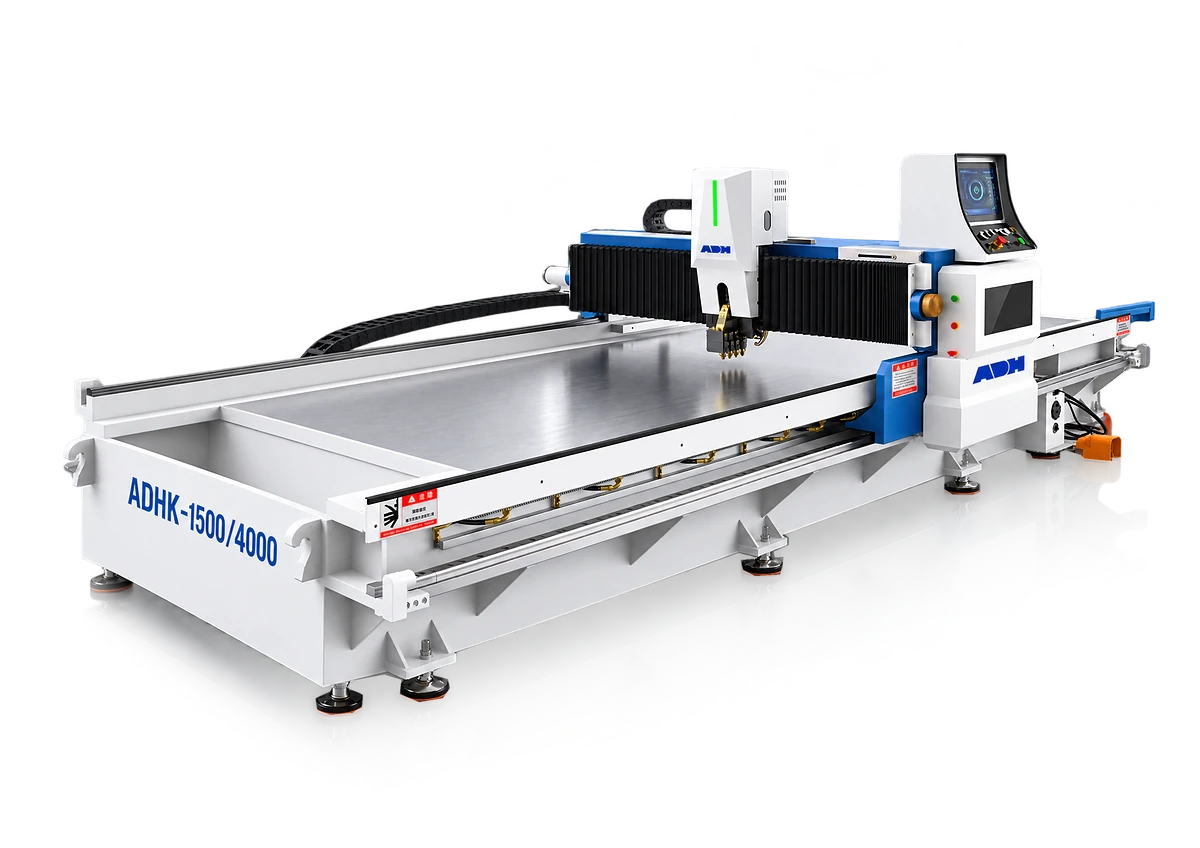
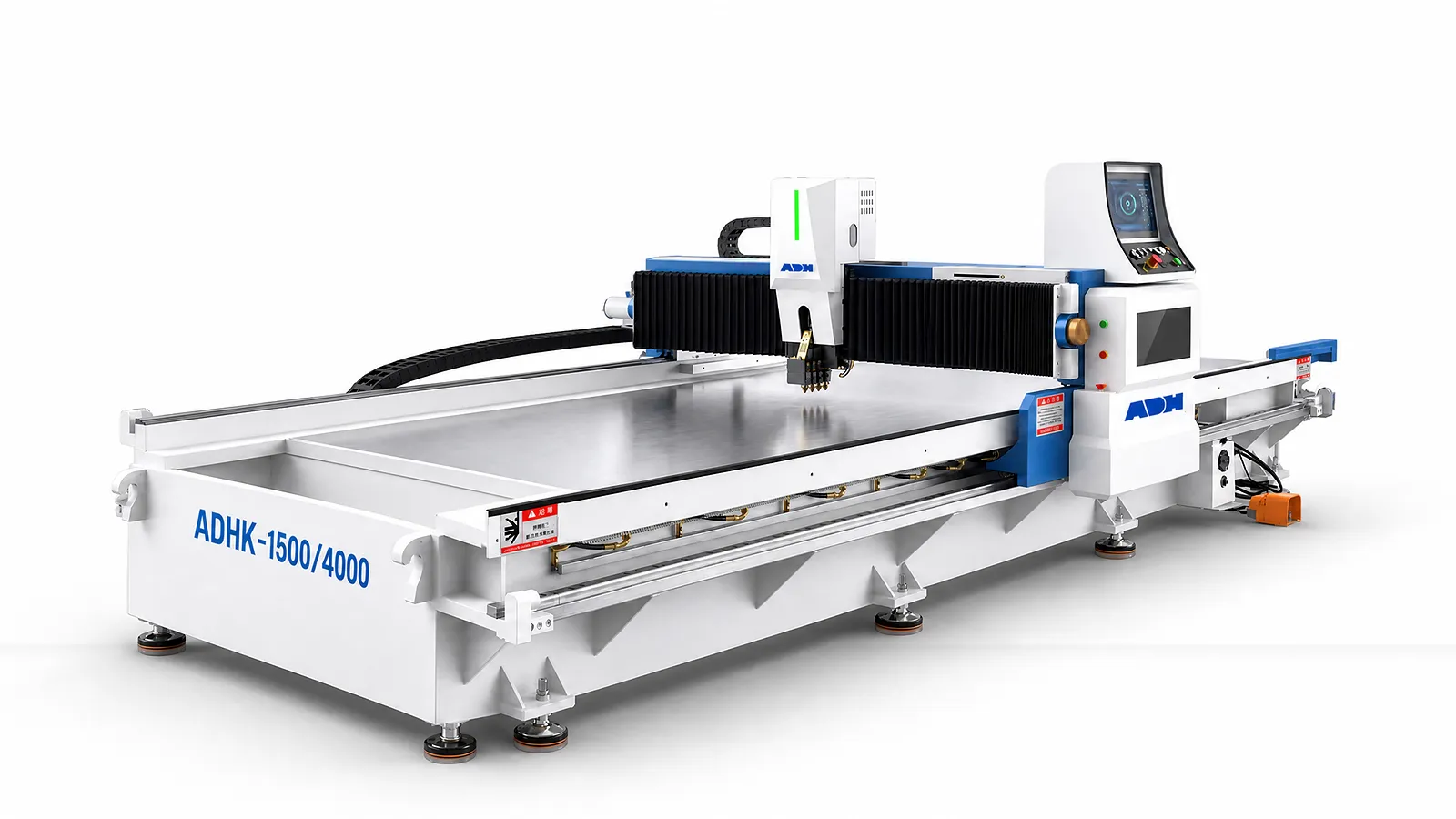
Gantry-type layout with a large worktable and moving tool carrier.

ADRK · Vertical

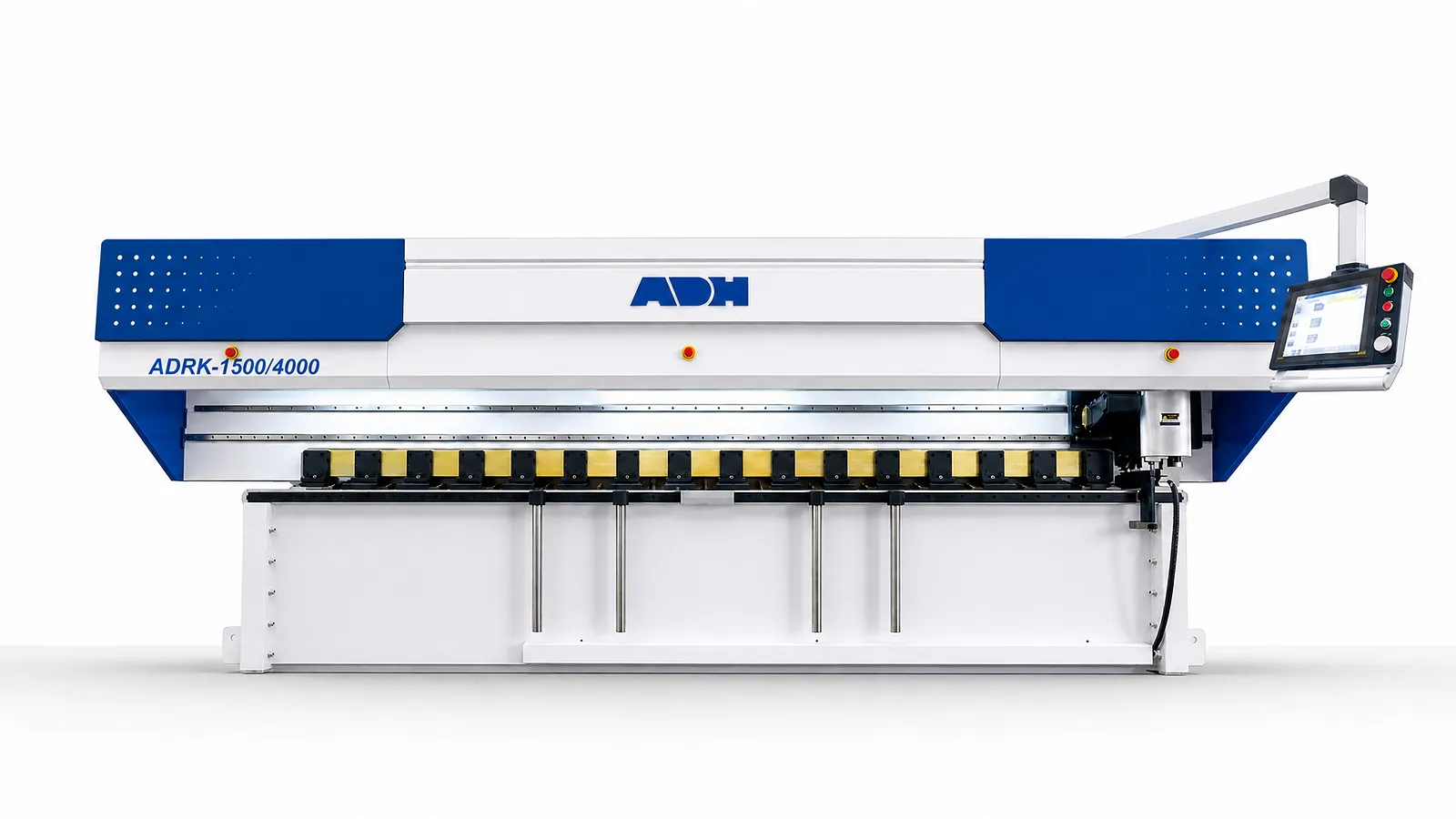
Compact frame layout with servo positioning; review the loading and clamping arrangement.

Working format and sheet thickness

ADHK · Horizontal

ADHK formats run from 3,200 × 1,250 to 6,000 × 1,500 mm. On the 3,200 × 1,250 configuration, sheet thickness is 0.4–4 mm*.

ADRK · Vertical

ADRK formats run from 3,200 × 1,250 to 4,000 × 1,500 mm. On the 3,200 × 1,250 configuration, sheet thickness is 0.4–6 mm*.

Handling to assess

ADHK · Horizontal

Worktable support, open loading, clamping and surface protection.

ADRK · Vertical

Reference positions, clamping, operator access and surface protection.

*Check maximum thickness against material grade, groove depth, residual thickness and the surface finish required. Validate the finished bend on a representative sheet.

Machine range

Choose a Layout for Your Sheet and Workshop

ADH ADHK-1500/4000 horizontal CNC V-grooving machine

Series: ADHK

Horizontal Gantry System

A large worktable and moving tool carrier support sheet grooving. Check sheet orientation, support and loading access.
Architecture: horizontal gantry with a moving tool carrier

Available model sizes: 3200×1250 through 6000×1500

ADH ADRK vertical CNC V-grooving machine

Series: ADRK

Vertical V-Grooving System

Compare the compact layout, sheet capacity, loading access and groove direction with your workshop needs.
Architecture: compact vertical layout with servo positioning

Available model sizes: 3200×1250 through 4000×1500

Applications

V-grooving applications for formed sheet

V-grooving prepares a bend line before forming. Specify the final appearance and the structural needs of the part alongside the groove geometry.

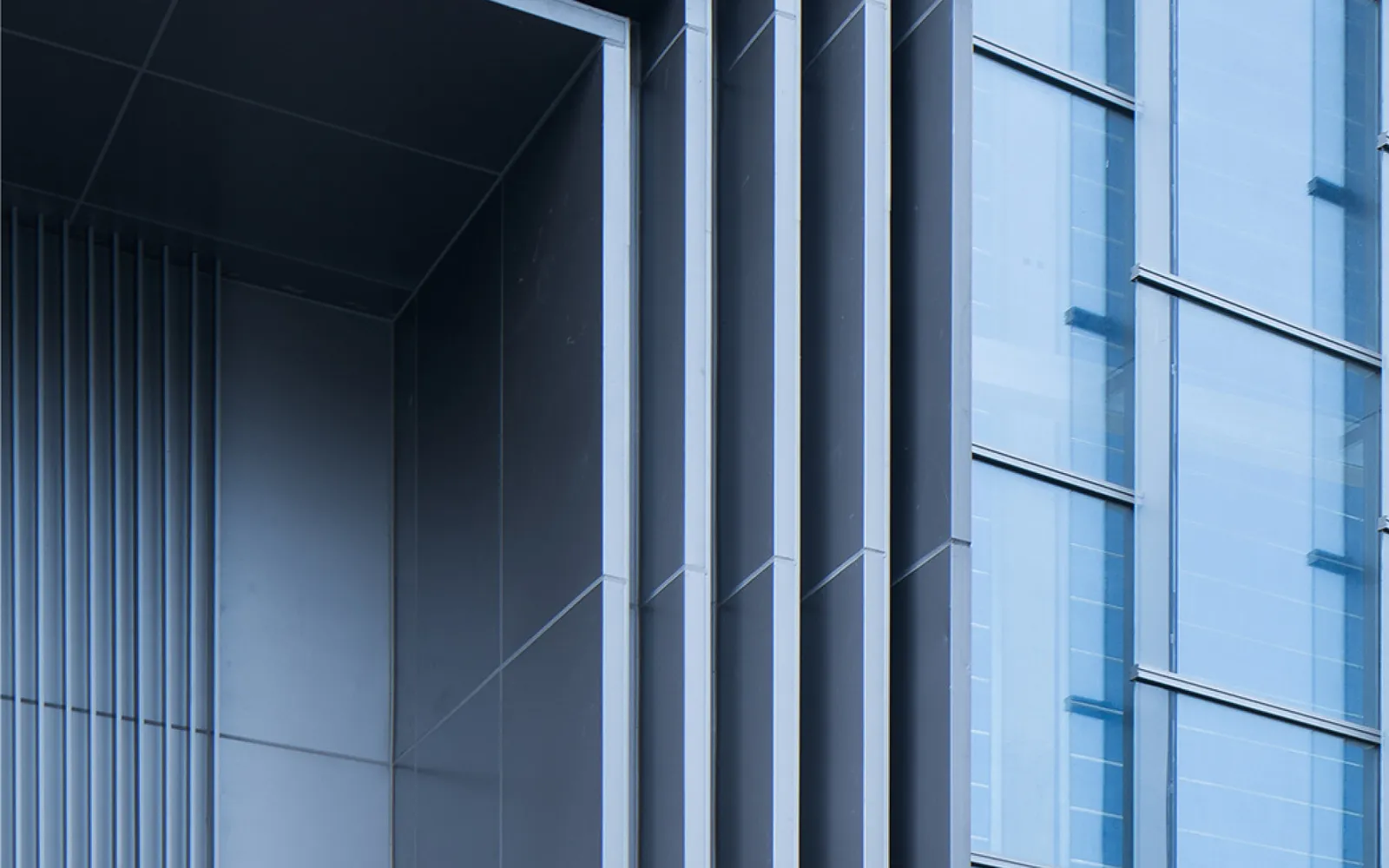
Folded metal cladding and vertical trim on a building facade

01

Architectural trim and cladding

Visible corners and long exposed edges need a defined finish after bending. Review the groove plan and the complete formed profile together.

Selection focus: corner appearance and consistency along the edge.

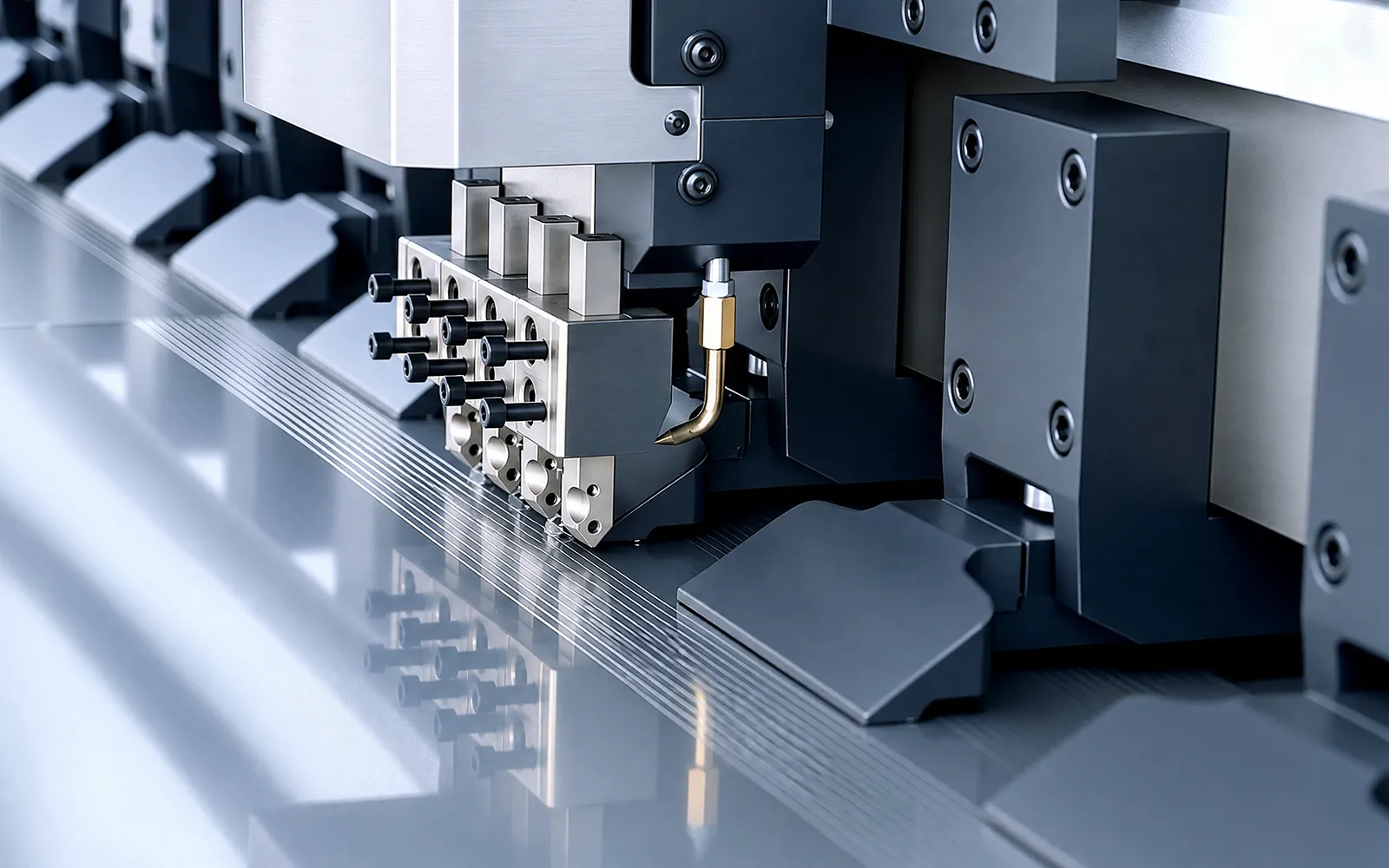
V-grooving cutter assembly positioned over a finished metal sheet

02

Decorative panels and covers

Coated or finished sheet needs a handling and clamping plan that protects the visible face through loading, grooving and bending.

Selection focus: surface condition and support at the groove.

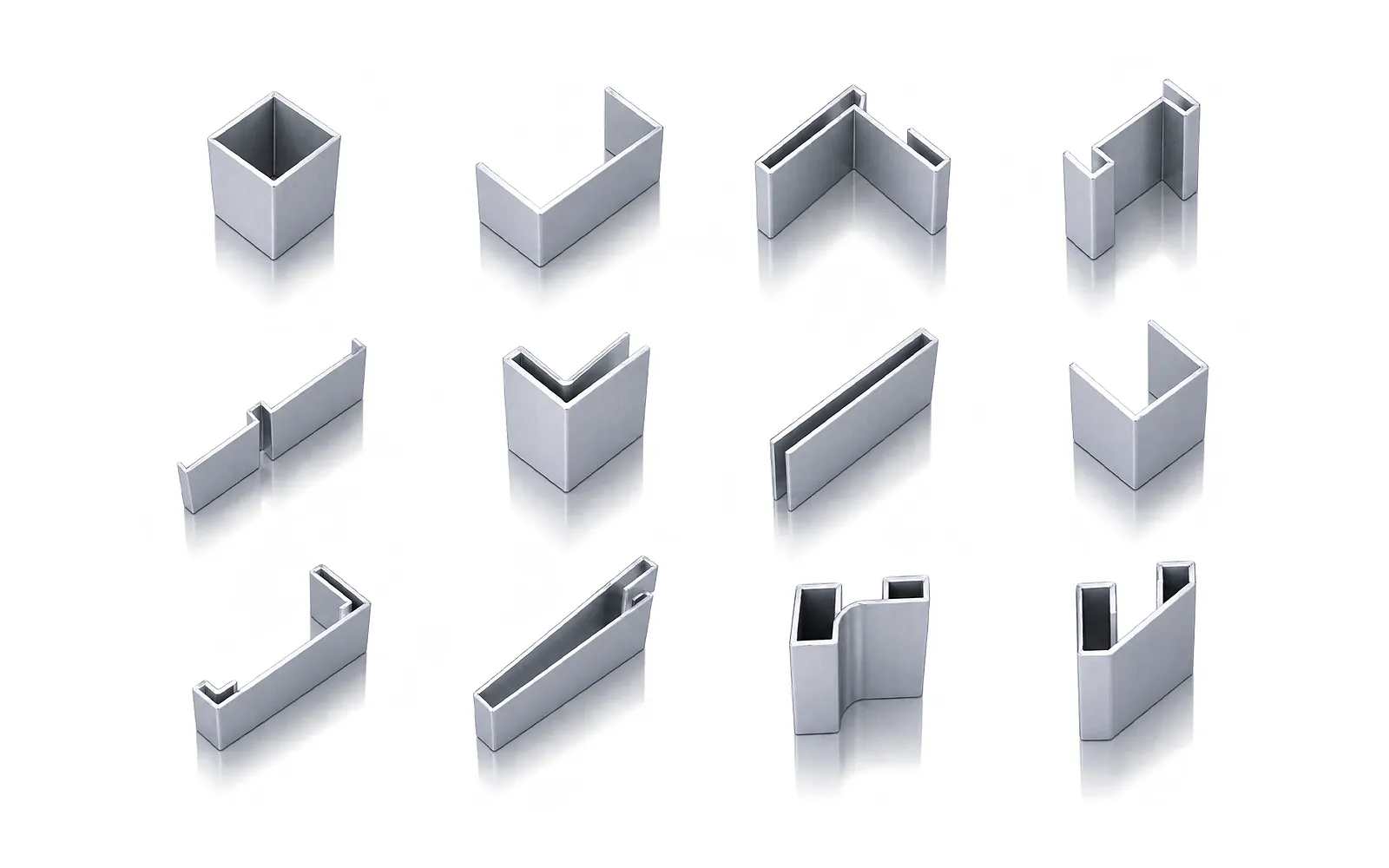
Examples of folded metal profiles with sharp corner geometries

03

Long folded profiles

Multiple grooves must align with the downstream bend sequence. Sheet support and loading space affect the choice between horizontal and vertical layouts.

Selection focus: datum, groove position and workshop flow.

Buying guide

Assess the finished bend, not just the groove

An effective grooving project connects cutter setup, remaining material and downstream forming.

01

Groove geometry

Define the angle, depth and remaining web with the part requirements in mind. Use a formed sample to assess the result.

02

Handling and finish

Include loading, face protection, clamping and chip removal in the workflow. Show which surfaces remain visible after assembly.

03

Cutting tools and upkeep

Clarify the cutter arrangement, consumables and maintenance requirements. Confirm the measurement method used to check the groove.

Plan your project

From your part to the right machine

A clear brief makes it easier to compare options, prepare a quotation and plan the next step.

01 / YOUR APPLICATION

Start with the part

Share drawings, material, thickness and production volume. Tell us where the current process needs to improve.

02 / YOUR MACHINE

Compare the configuration

Review the machine, controls, tooling and handling together. Agree the sample parts and checks for your application.

03 / YOUR PRODUCTION

Plan the handover

Coordinate delivery, site preparation, installation and training, with the support your team will need in operation.

Your quotation or contract confirms the supplied equipment, delivery schedule, acceptance criteria, warranty and service scope.

Explore ADH manufacturing →

FAQs

V-grooving machine buying questions

Connect the groove specification to the final bend, visible finish and workshop layout.

Why V-groove sheet metal before bending?

A V-groove reduces the material thickness locally along a planned bend line and can help produce a tighter-looking corner. The finished appearance depends on the groove, material and bending process. Specify the final formed part as well as the groove itself.

Should I choose horizontal or vertical V-grooving?

ADHK uses a horizontal supported-sheet and moving-tool workflow. The ADRK proposal uses a side-standing sheet arrangement. Compare the actual sheet dimensions, loading access, surface contact and workshop layout for the chosen model, then check how the part moves to bending.

Review horizontal V-groovingReview vertical V-grooving
How are groove angle and depth selected?

Select the cutter and groove geometry around the required bend and remaining material. Sheet thickness, flatness, material behaviour and the downstream tooling all matter. Agree the remaining web and inspect a formed sample; there is no single groove depth or angle that suits every part.

Does V-grooving change the strength of the part?

Removing material changes the local section at the bend. The remaining thickness and formed geometry need to meet the part’s structural requirements. For load-bearing work, include an engineering assessment and suitable finished-part checks when deciding whether a grooved bend is appropriate.

What matters when processing decorative or coated panels?

Identify the visible face and the acceptable finish before choosing the handling arrangement. Review loading, clamping, surface contact and chip removal with representative material. Inspect the finished bend and visible surfaces together, including any coating or protective film used in production.

What should I send for a V-grooving recommendation?

Start with your material, thickness, sheet size and finished-part drawing. Add groove layout, surface requirements and a formed sample when available.

Review downstream bending options

Project enquiry

Discuss your project

Tell us what you want to make or improve. Technical details and drawings can follow.

  • Material, thickness and part size
  • Drawings and production volume
  • Location and project timing

Contact ADH

Start a machine enquiry

Name, email and a short description are enough to begin.

Contact Form