
Press BrakesFiber Laser CuttingPanel BendersAutomation

Sheet metal solutions

Steelwork and building components

Choose equipment for plates, structural profiles and formed building parts. Match cutting, holes and bends to the joining and assembly work that follows.
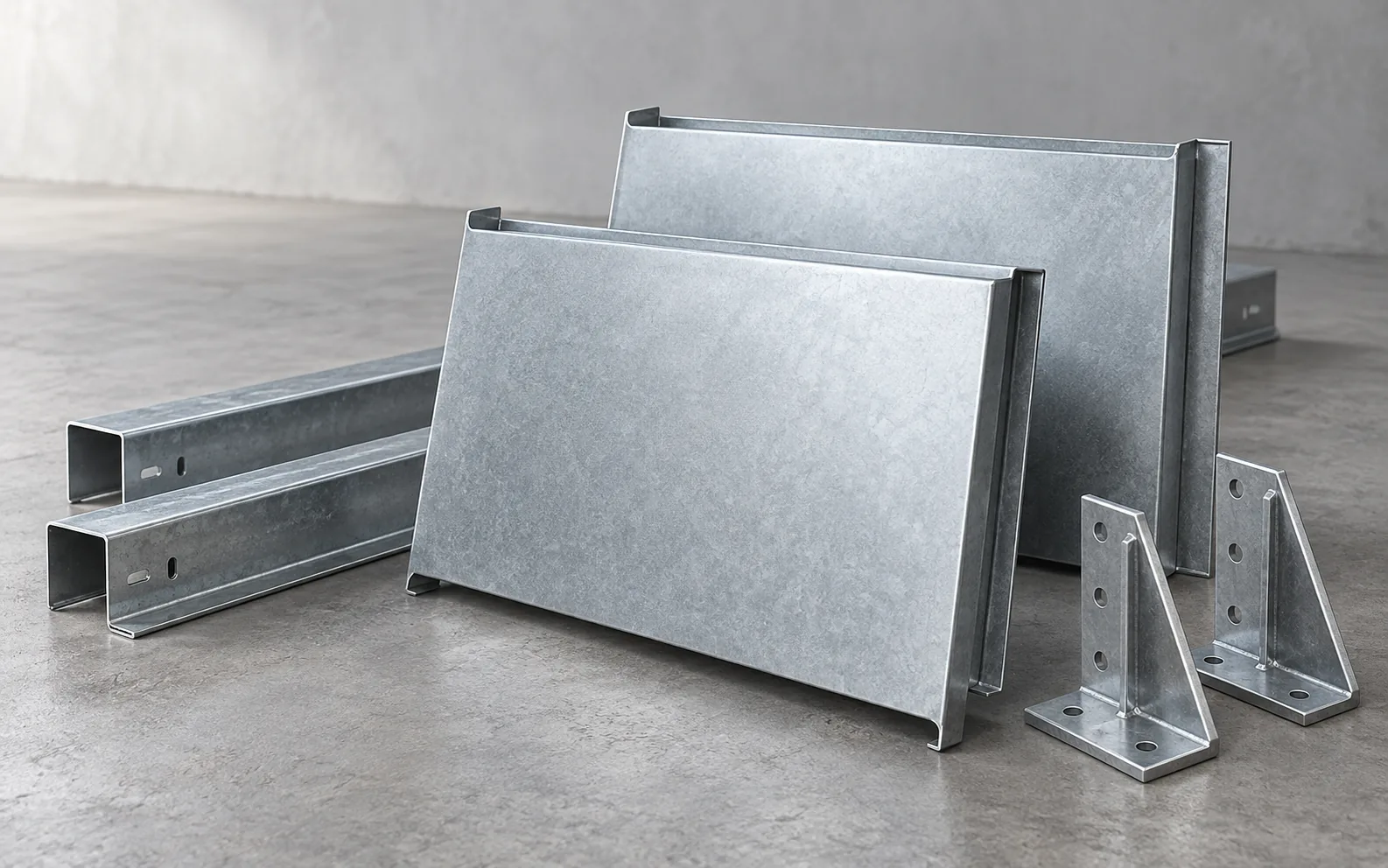
Illustration of folded architectural panels, steel channels and construction brackets
Application illustration · representative workpieces

Start with the parts you make

A structural profile, a flat connection plate and a folded building panel need different machine comparisons.
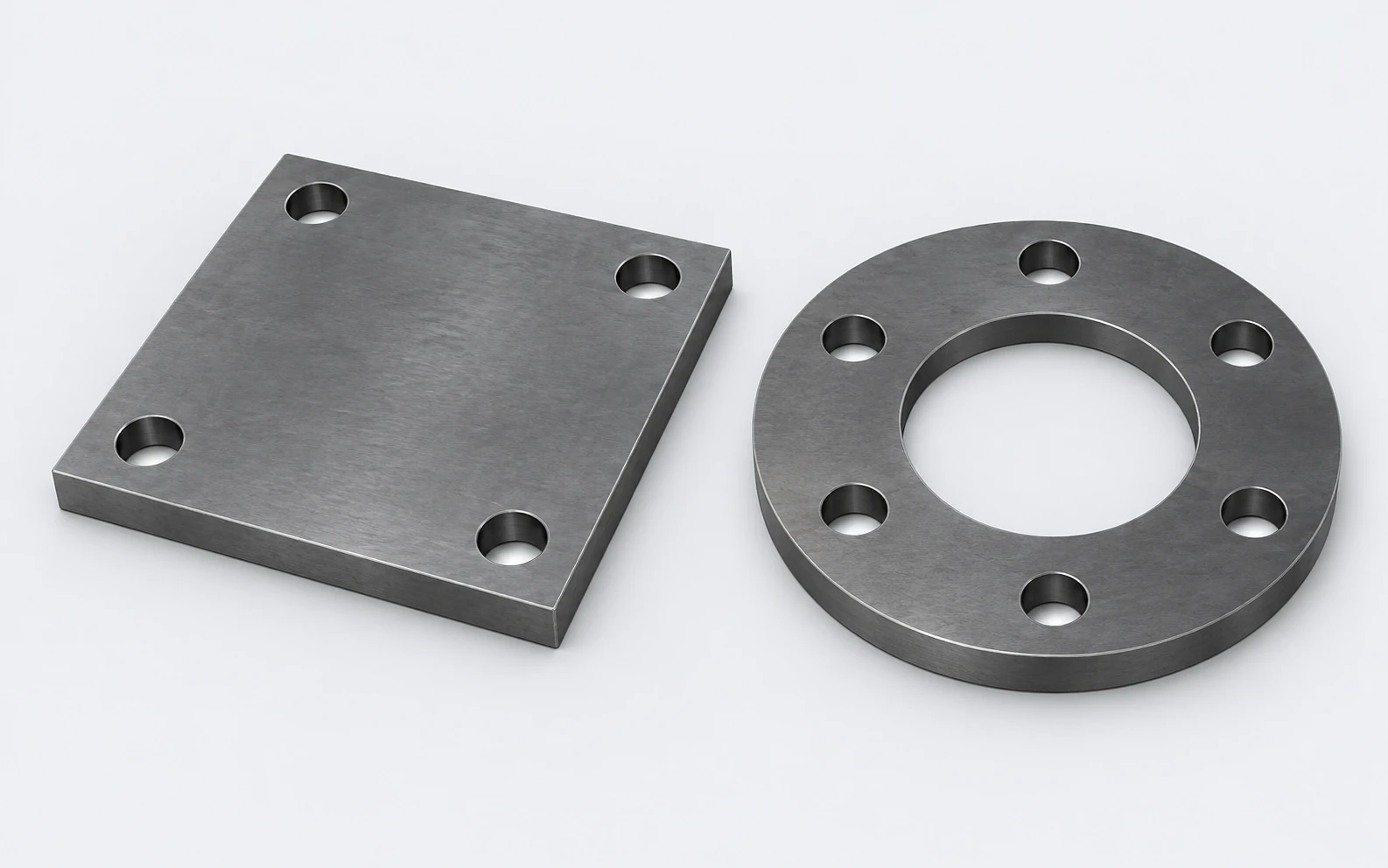
Illustration of a square steel baseplate and an annular flange plate with bolt holes.

Baseplates and flanges

Identify critical holes and joining surfaces, including any machining or preparation required after cutting.
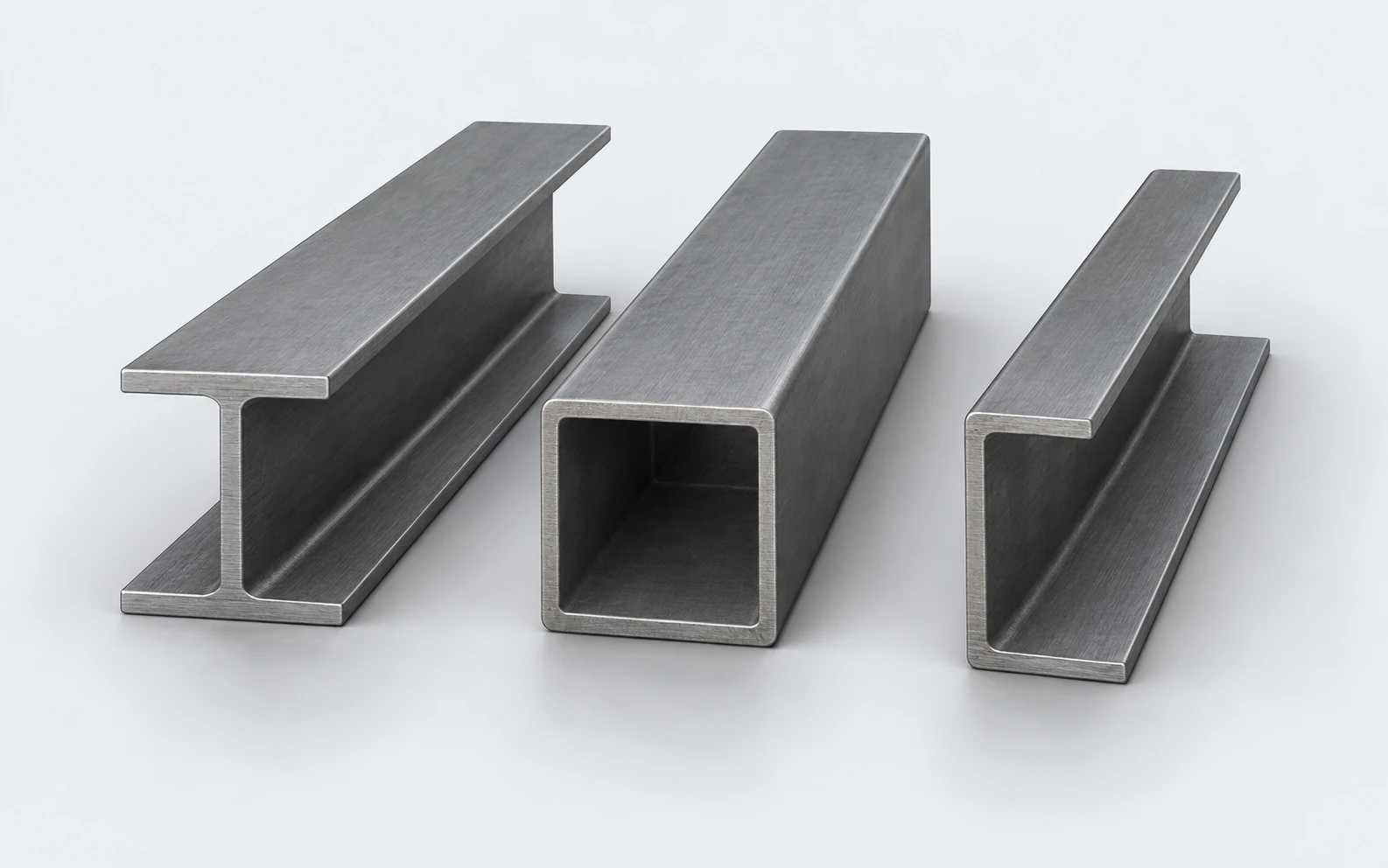
Illustration of separate steel I, hollow square and channel sections with their ends visible.

Structural profiles

State section type, length, features and support requirements. Profile processing needs its own equipment and handling definition.
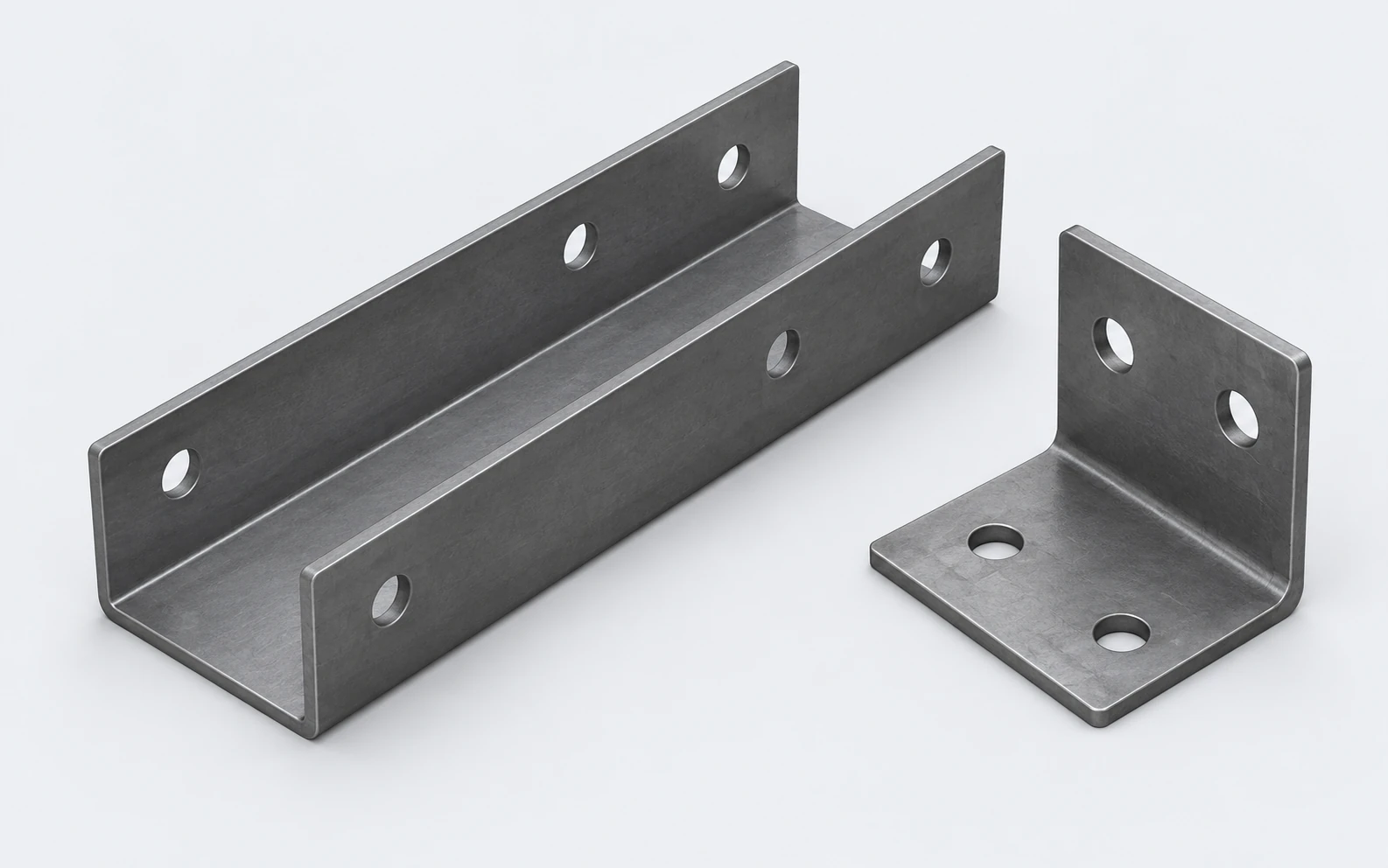
Illustration of a formed steel U-channel and angle bracket with connection holes.

Brackets and channels

Review bend length, flange dimensions, tooling access and the finished component’s connection points.
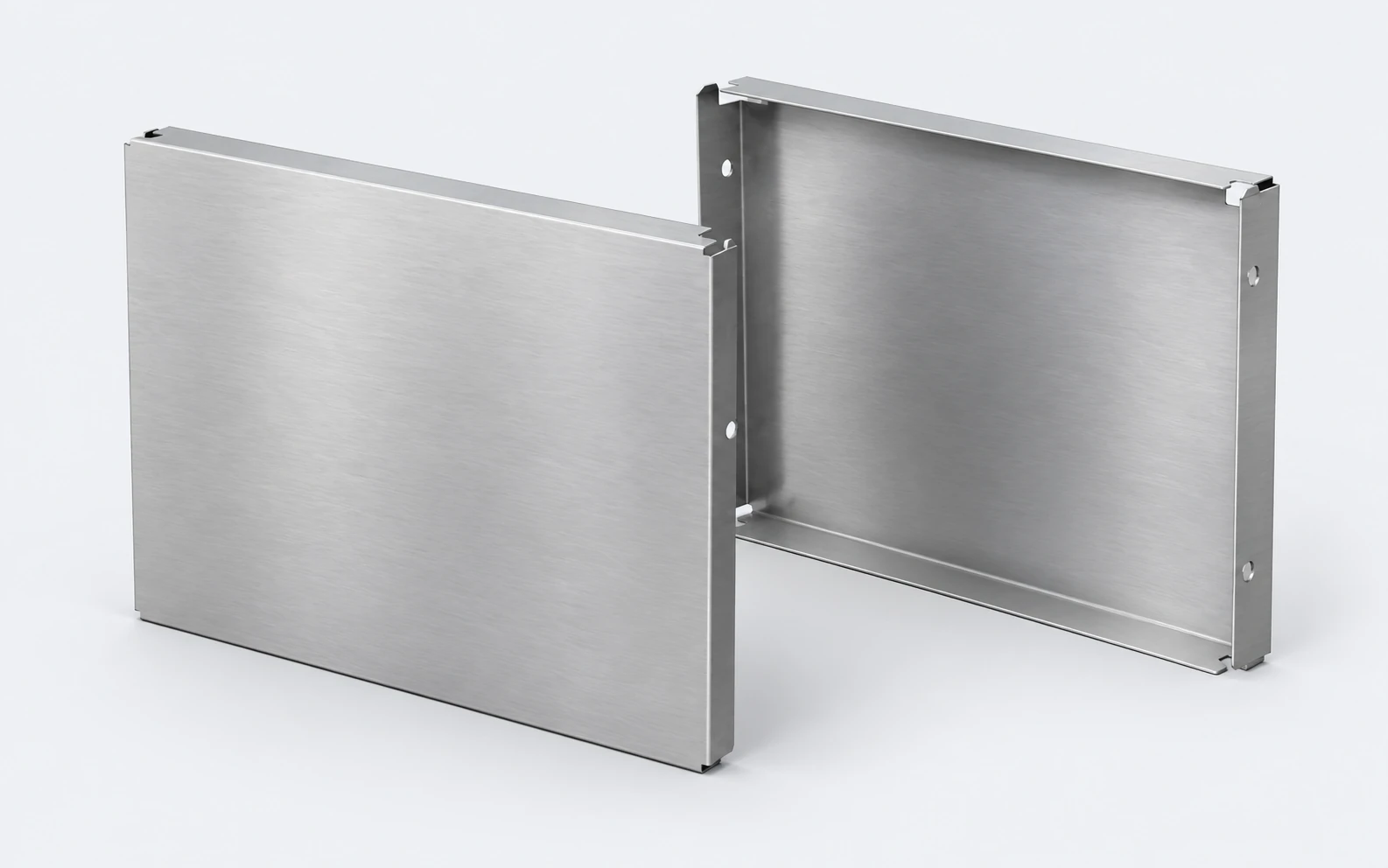
Illustration of sheet-metal building panels showing a plain front face and folded rear returns.

Building panels

Define profile, visible surfaces, corner details and how adjacent panels fit together.

Connect the part to the process

Separate cutting and hole operations

Map the existing sequence and transfers. Compare which operations can be combined and which still need separate equipment.

Supporting long stock

Include loading, positioning and finished-part removal, along with the space around the selected machine.

Preparing assembly interfaces

Dimension the features that locate or join the part. Cutting and bending decisions should follow the required assembly condition.

Choose the equipment for each task

Separate plate and structural-profile workloads. Choose the cutting equipment around the features and handling, add forming where the component needs it, and define the remaining joining or machining steps.
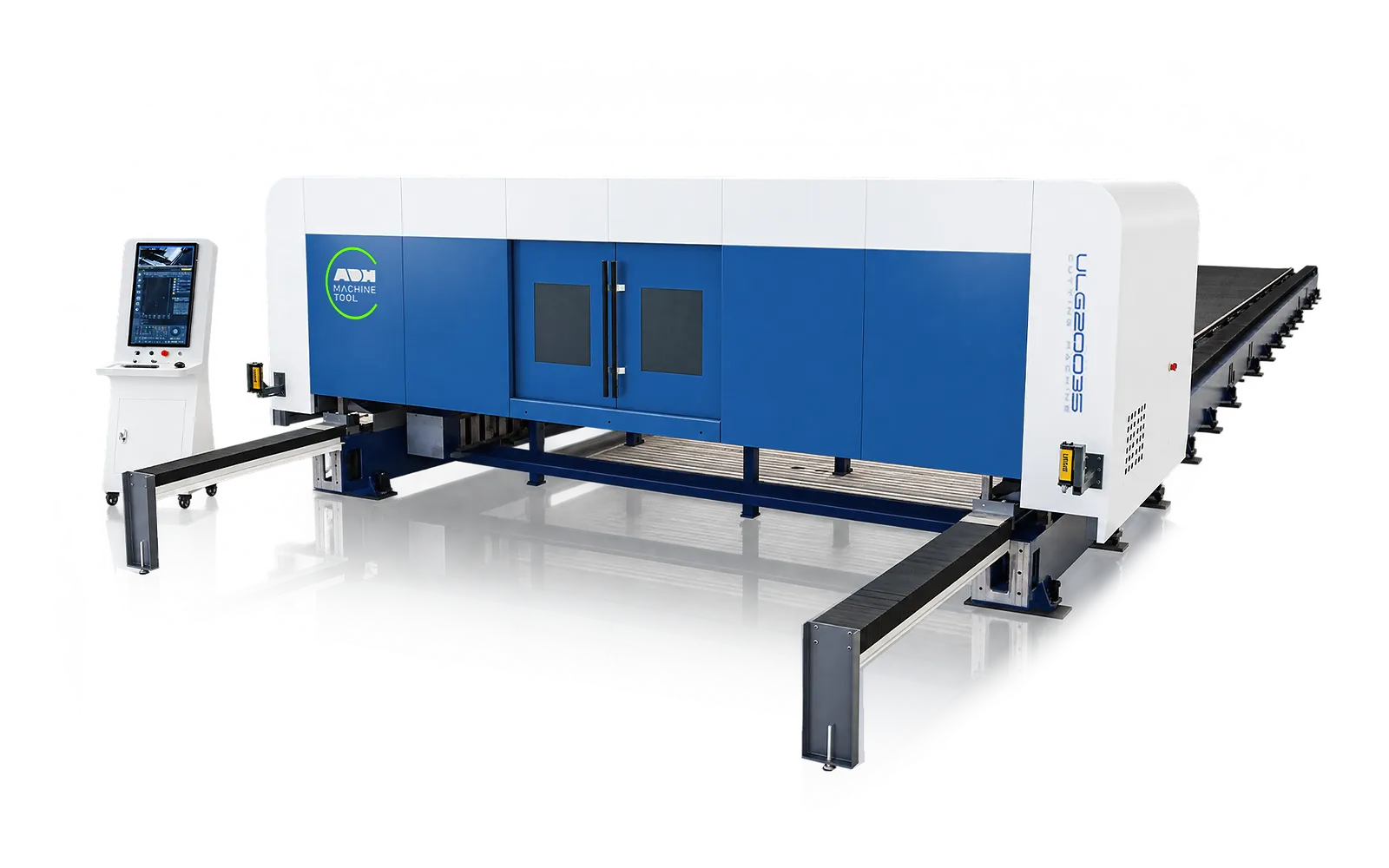
ULG ground-rail fiber laser cutting machine

Cut large connection plates

Compare ground-rail laser systems for the actual plate format, material and critical features, including part removal and downstream preparation.

Explore ground-rail cutting
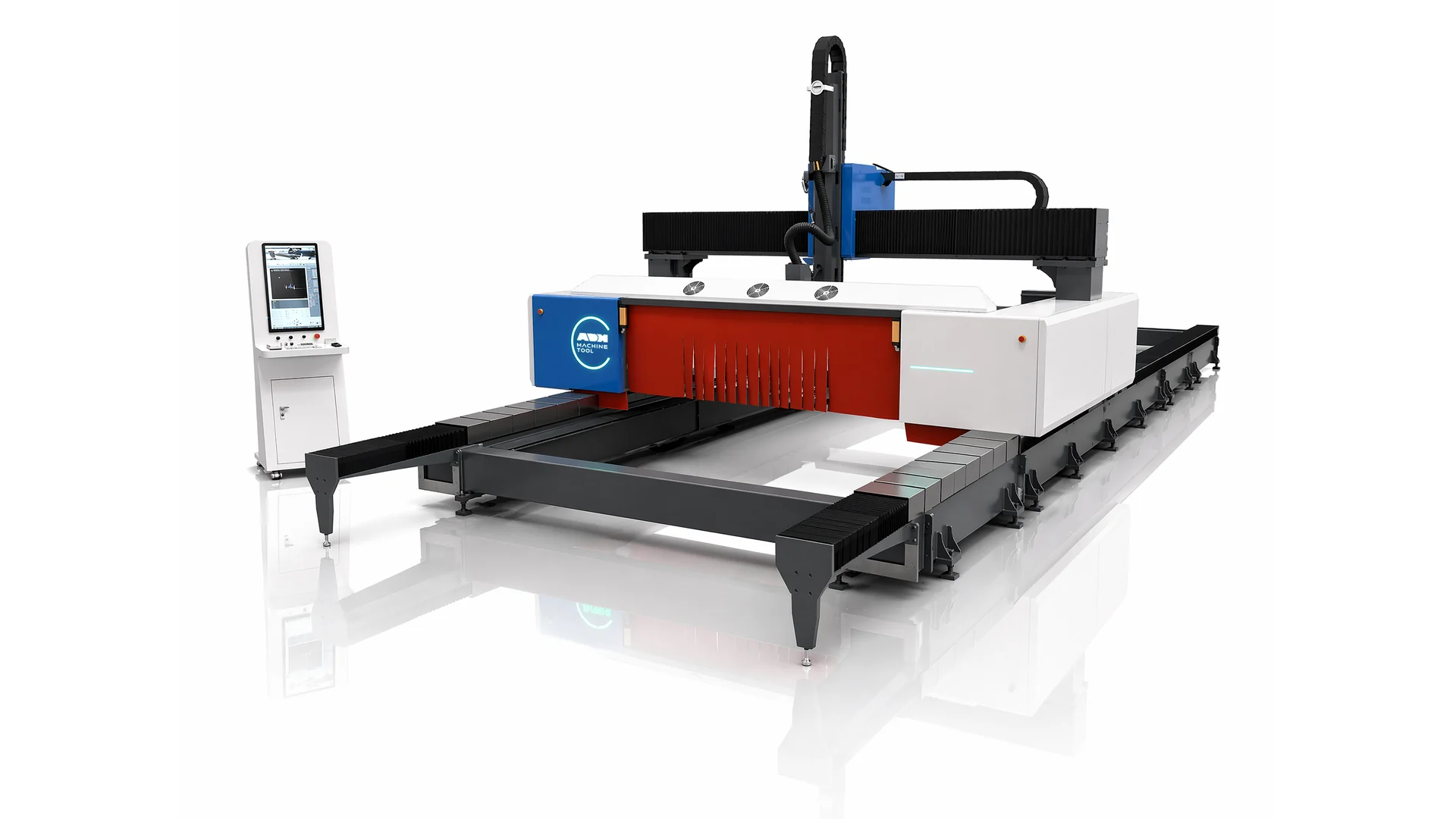
ULH H-beam laser cutting machine illustration

Cut H-beams and structural profiles

Review ULH H-beam, plate and heavy-tube processing. Match scanning, hole cutting, notches and bevel preparation to the actual section and connection drawing.

Explore ULH H-beam lasers
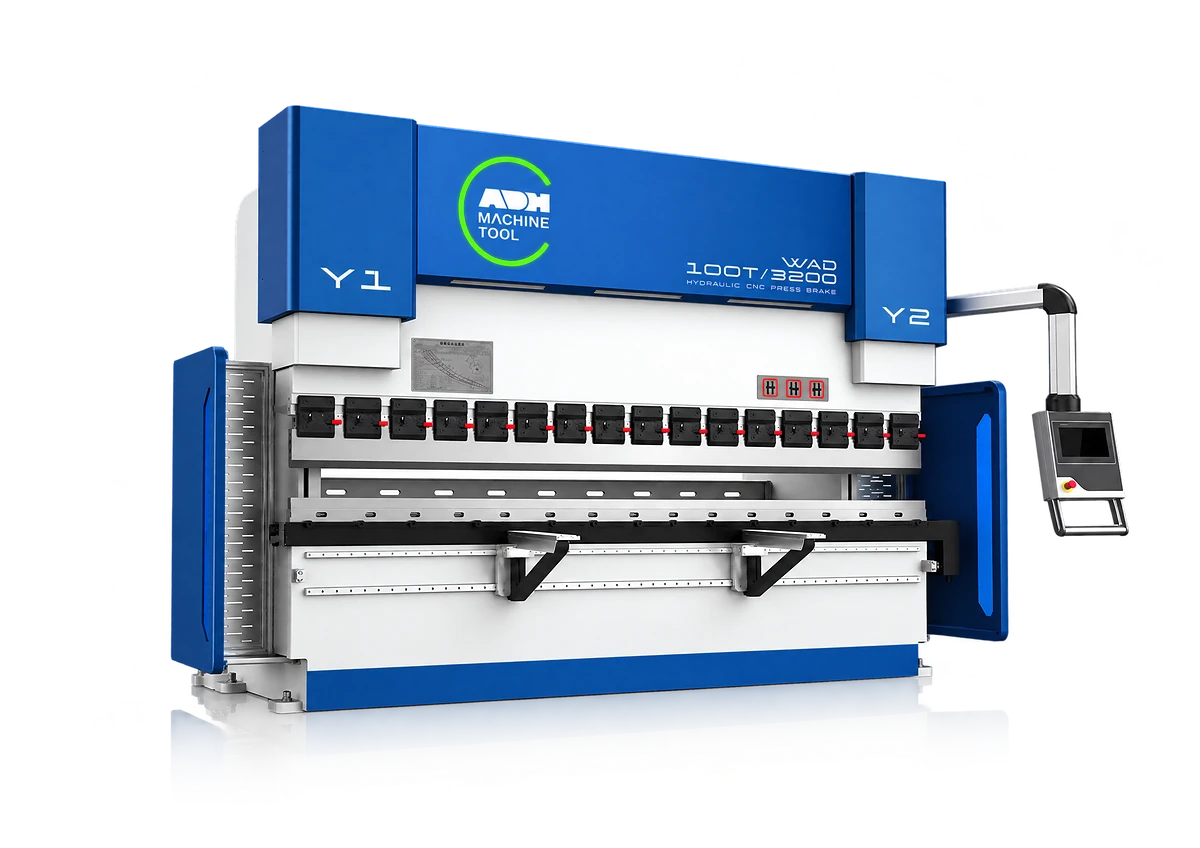
ADH WAD CNC press brake with front tooling and control panel

Form building components

Evaluate press brakes for brackets, channels and panels that require bends. Force, length, tooling and support must fit the complete part.

Explore press brakes

A customer’s structural-profile machine is not interchangeable with a sheet or tube laser. Use the actual stock section and operations to define the proposed equipment.

Tower and structural-steel customer projects

Feiyue Hardware and Jiuwu Steel Structure describe installations in China that connect cutting and hole preparation with fewer production handoffs. Their stories identify the actual equipment and the basis of reported results.
Related customer projects in China

Read the installed equipment, production conditions and reported results in each project.

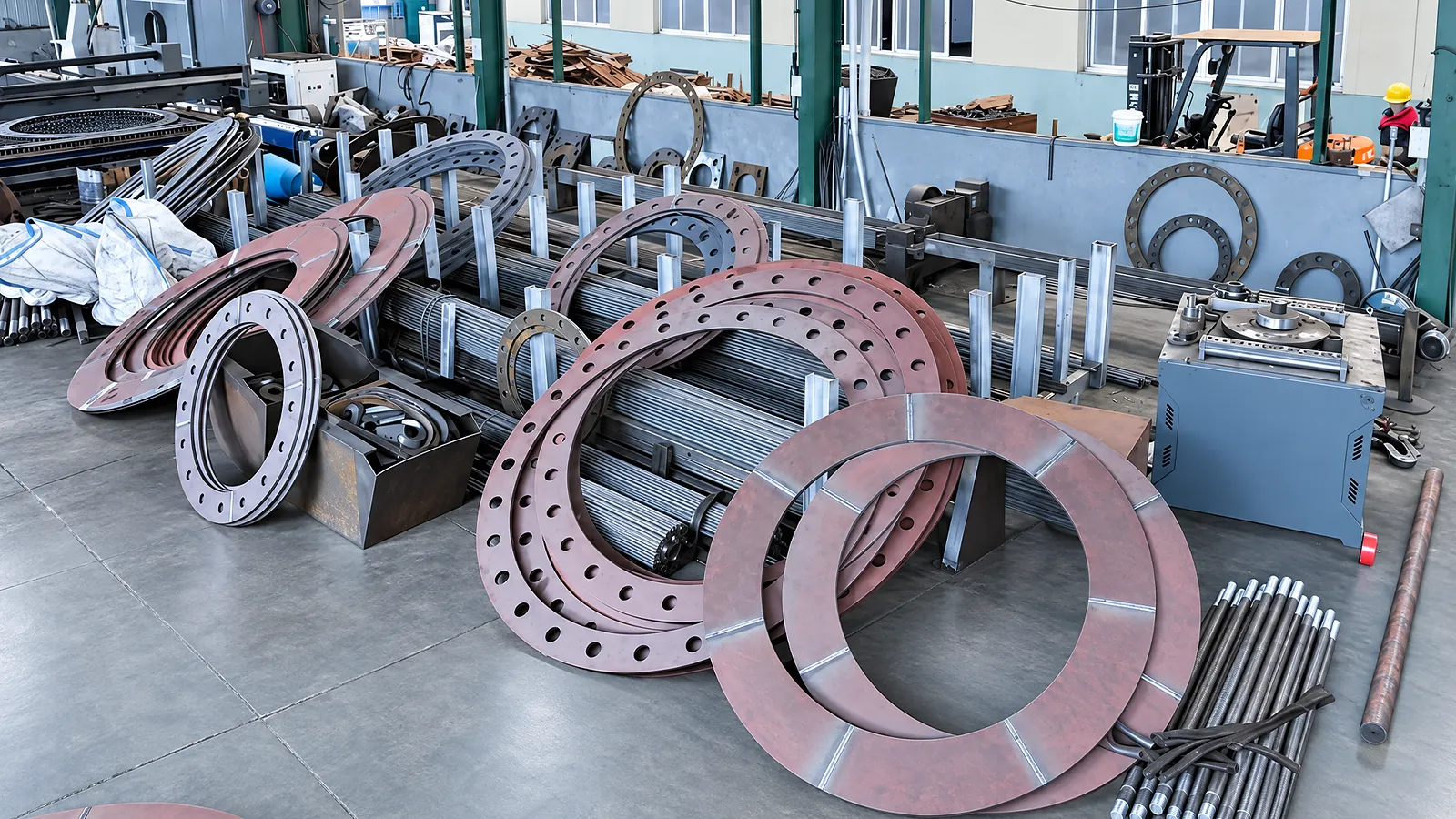
Heavy flanges and tower components on the Feiyue Hardware workshop floor

Tower components · Zhejiang, China

Feiyue Hardware: Laser-Cut Tower Components

Moving tower baseplates and flanges from flame cutting and separate drilling to a combined laser-cutting operation.

Read Feiyue Hardware case
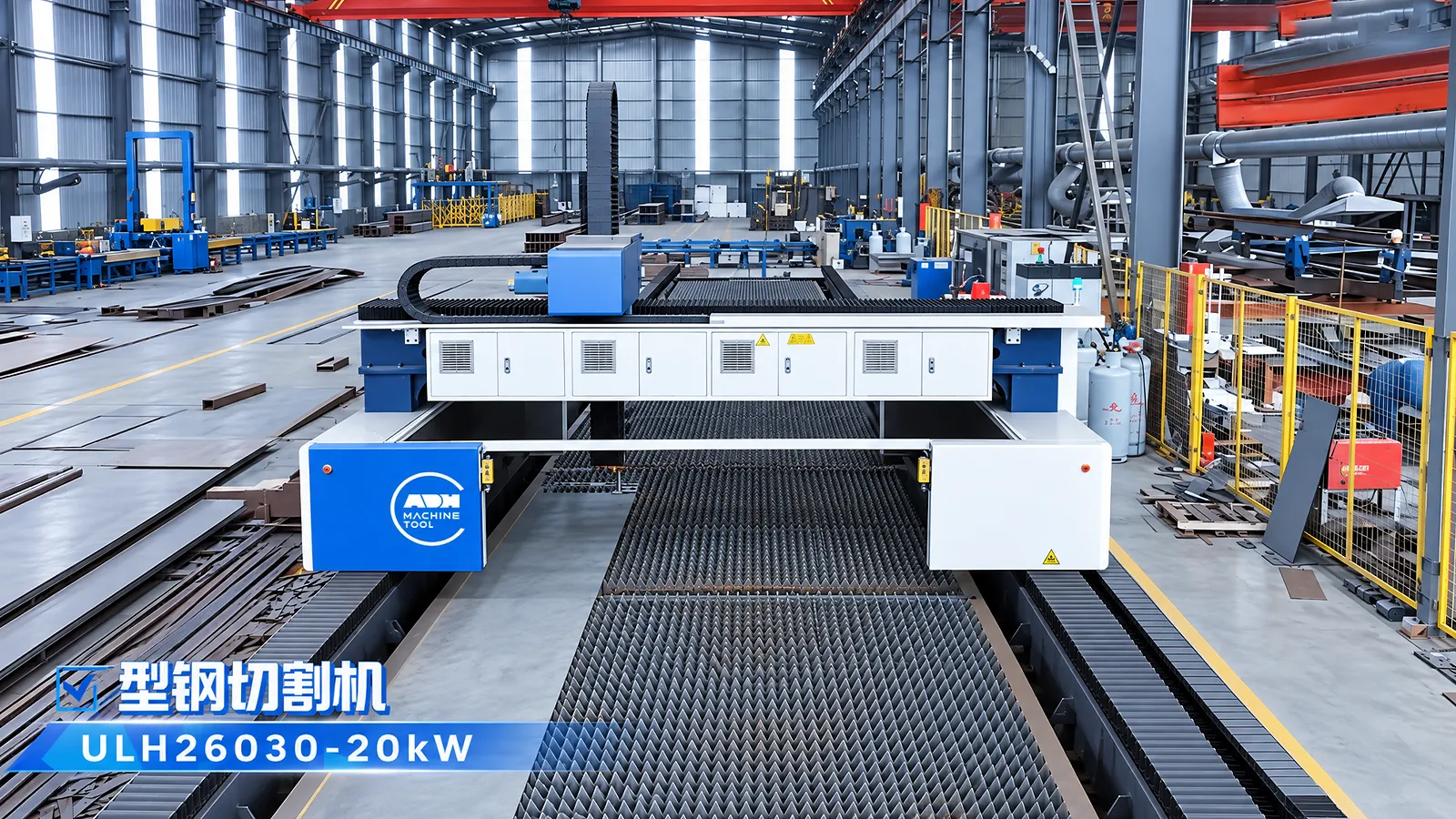
ULH26030 20 kW profile laser pictured at Jiuwu Steel Structure

Structural steel · Henan, China

Jiuwu Steel Structure: Fewer Cutting Handoffs

Bringing beam cutting and connection preparation together, with fewer transfers between cutting, drilling and milling.

Read Jiuwu Steel Structure case

Questions before choosing equipment

Can laser cutting replace every drilling or milling step?

Compare the required hole, edge and surface conditions with the proposed cutting result. Retain any machining needed to meet the drawing; evaluate representative features before combining operations.

Are tube and structural-profile systems the same?

They serve different stock geometries and machine arrangements. Specify the section, dimensions, support and required features rather than selecting from a general laser label.

How should long components be handled?

Provide stock and finished lengths, mass where known, access and lifting arrangements. Include support and removal in the layout and process evaluation.

Which drawings should we submit?

Send representative plates, sections and formed parts separately, with material, dimensions, joining features, batches and current processing steps.

Prepare a useful production brief

Send the plate or profile drawings, section sizes and required hole or edge conditions. Include the current transfers between cutting, drilling, forming and assembly.

Project enquiry

Discuss your project

Tell us what you want to make or improve. Technical details and drawings can follow.

  • Material, thickness and part size
  • Drawings and production volume
  • Location and project timing

Contact ADH

Start a machine enquiry

Name, email and a short description are enough to begin.

Contact Form