
01 / Part
Define the finished component
Send flat patterns and finished-part drawings. Mark material, thickness, critical dimensions, surface requirements and any limits on tooling access.
Why ADH
From the part drawing to the machine design. Our engineering work connects structure, tooling, controls and automation.
Before engineering starts
Include typical parts, demanding examples and the production goal so engineering can define the machine requirements.
01 / Part
Send flat patterns and finished-part drawings. Mark material, thickness, critical dimensions, surface requirements and any limits on tooling access.
02 / Production
Describe batch sizes, changeovers, staffing and material flow. These determine the tooling, handling and programming your workshop needs.
03 / Factory
Provide the floor plan, access route, utilities and connected equipment. Include the destination and required document languages.
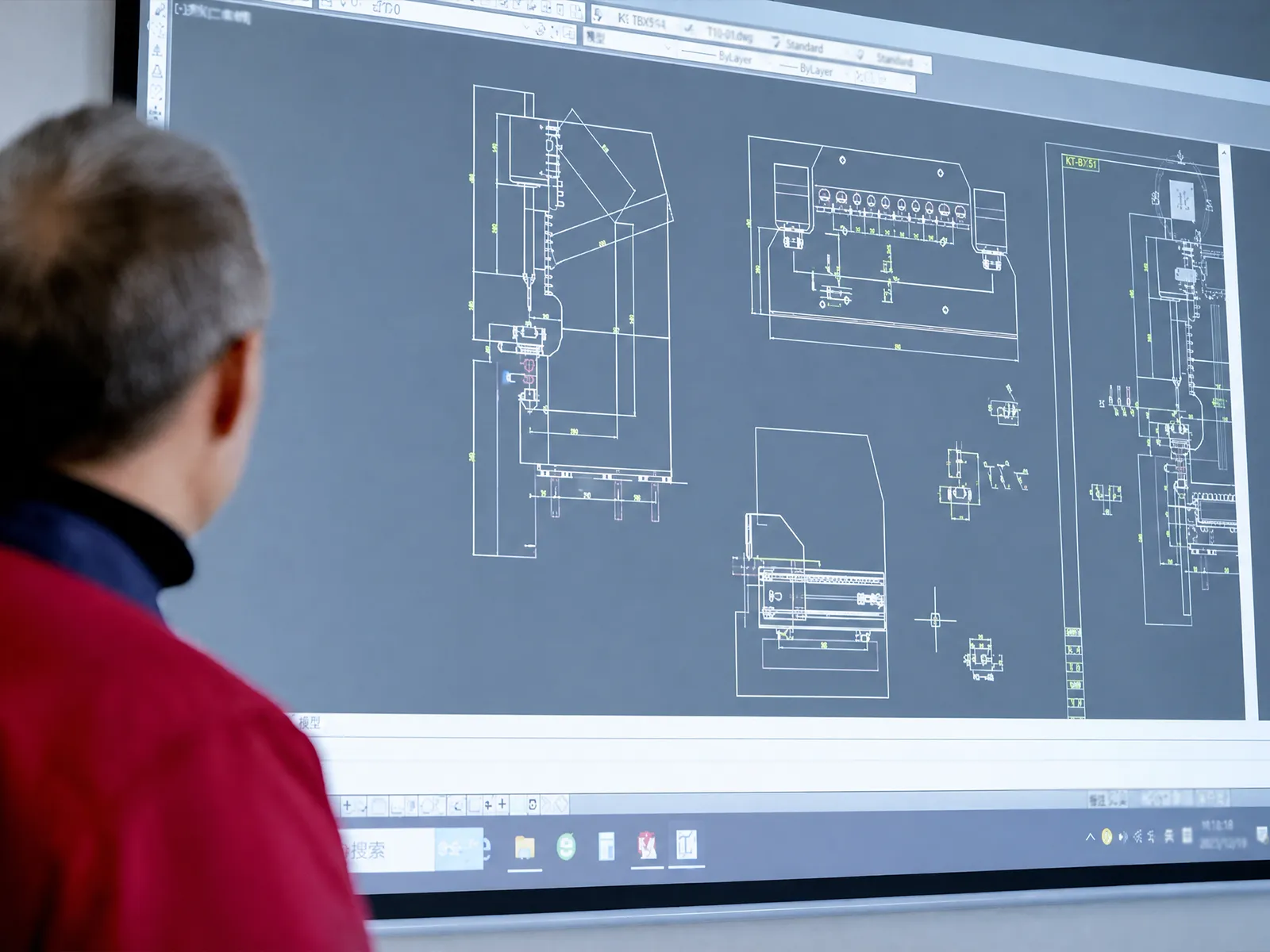
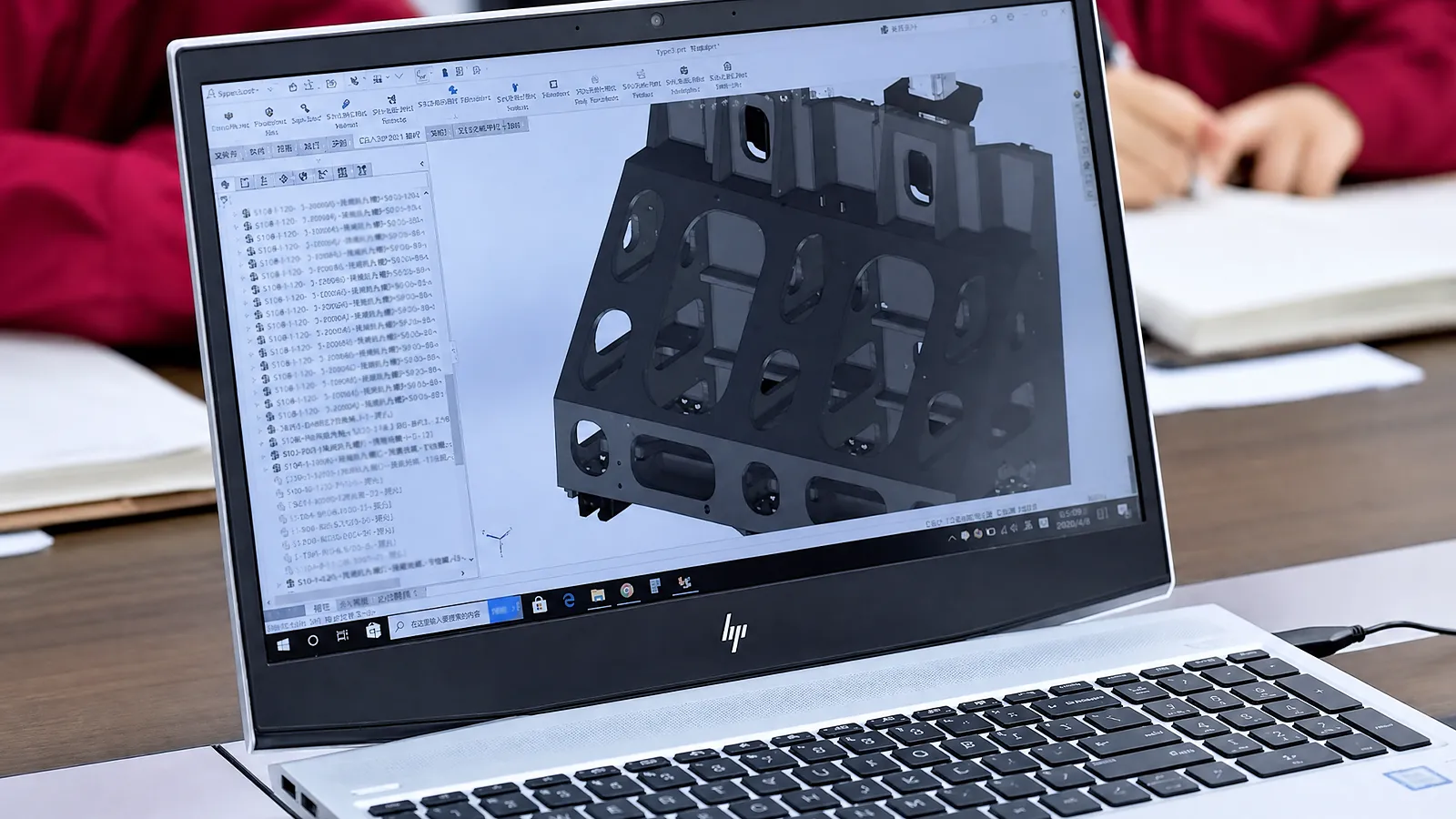
Link your application to approved drawings, options and interfaces. Identify revisions and resolve tooling, utility and integration questions before release.
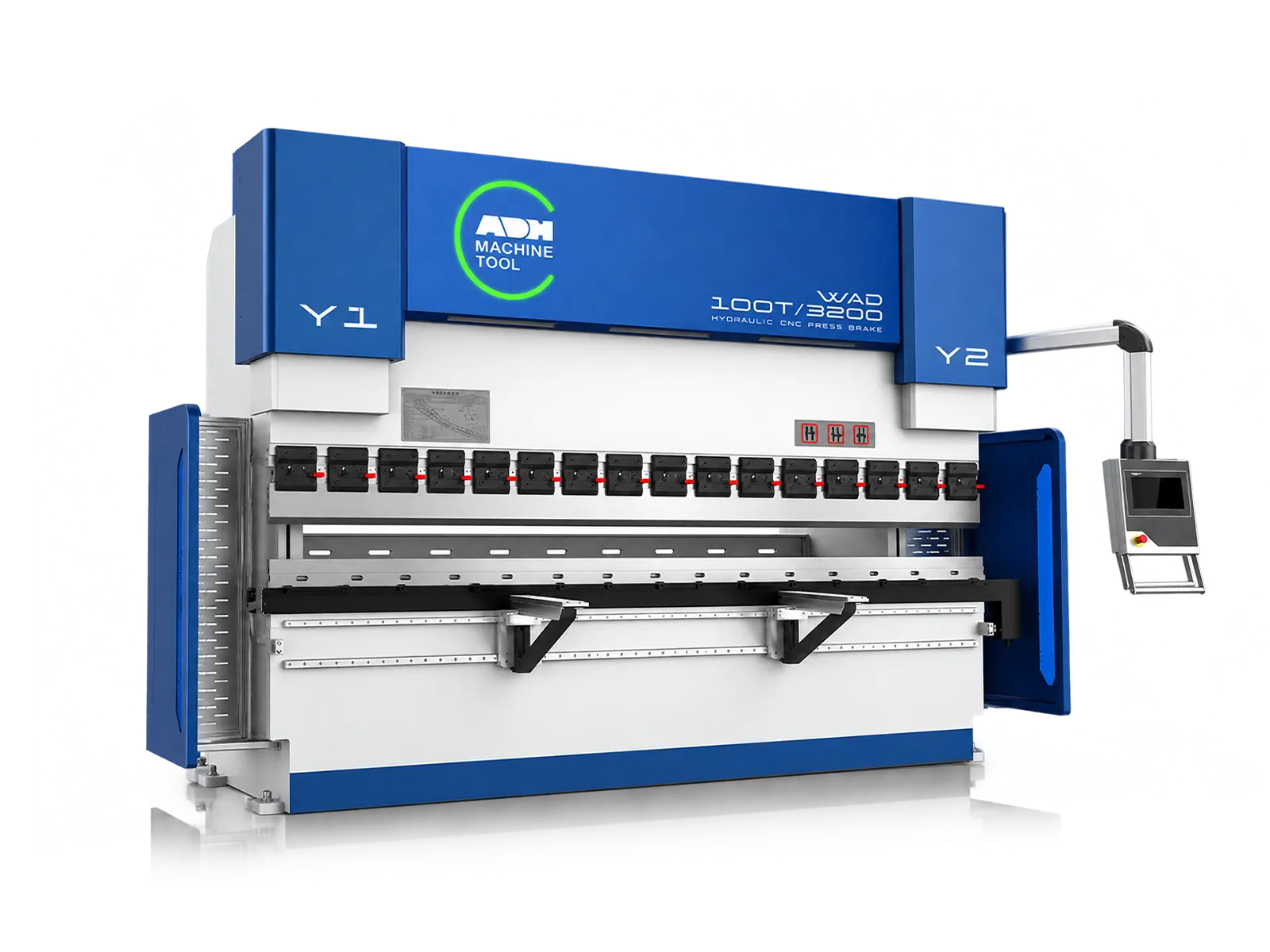
Machine layout, working-area visibility and service access are developed around the operator task and delivered configuration. Confirm lighting, access and maintenance requirements in the approved design.
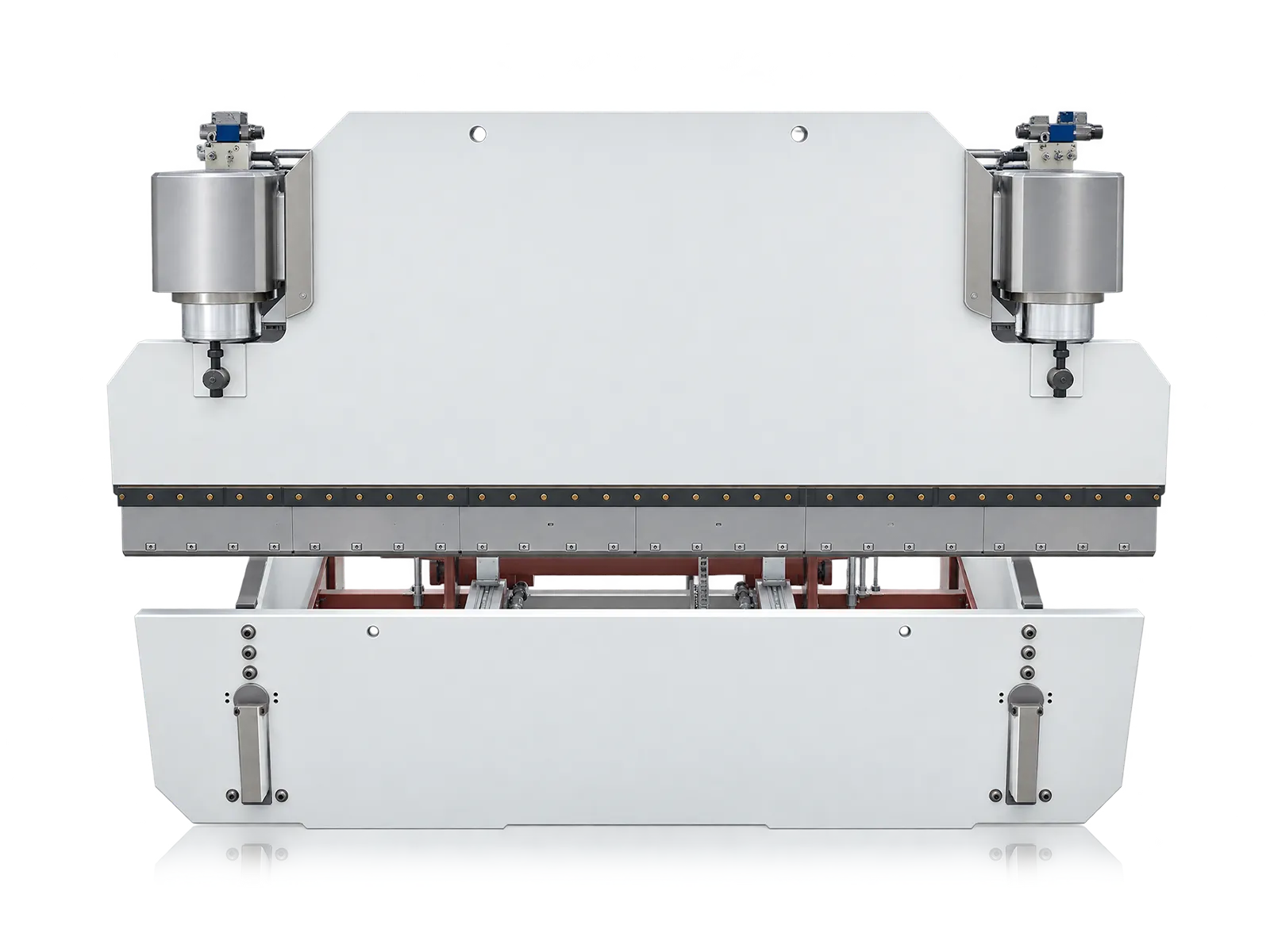
Load cases guide the frame, ram and worktable design. Throat, stroke, opening, column spacing, speed and dimensions are confirmed for the selected machine and application.
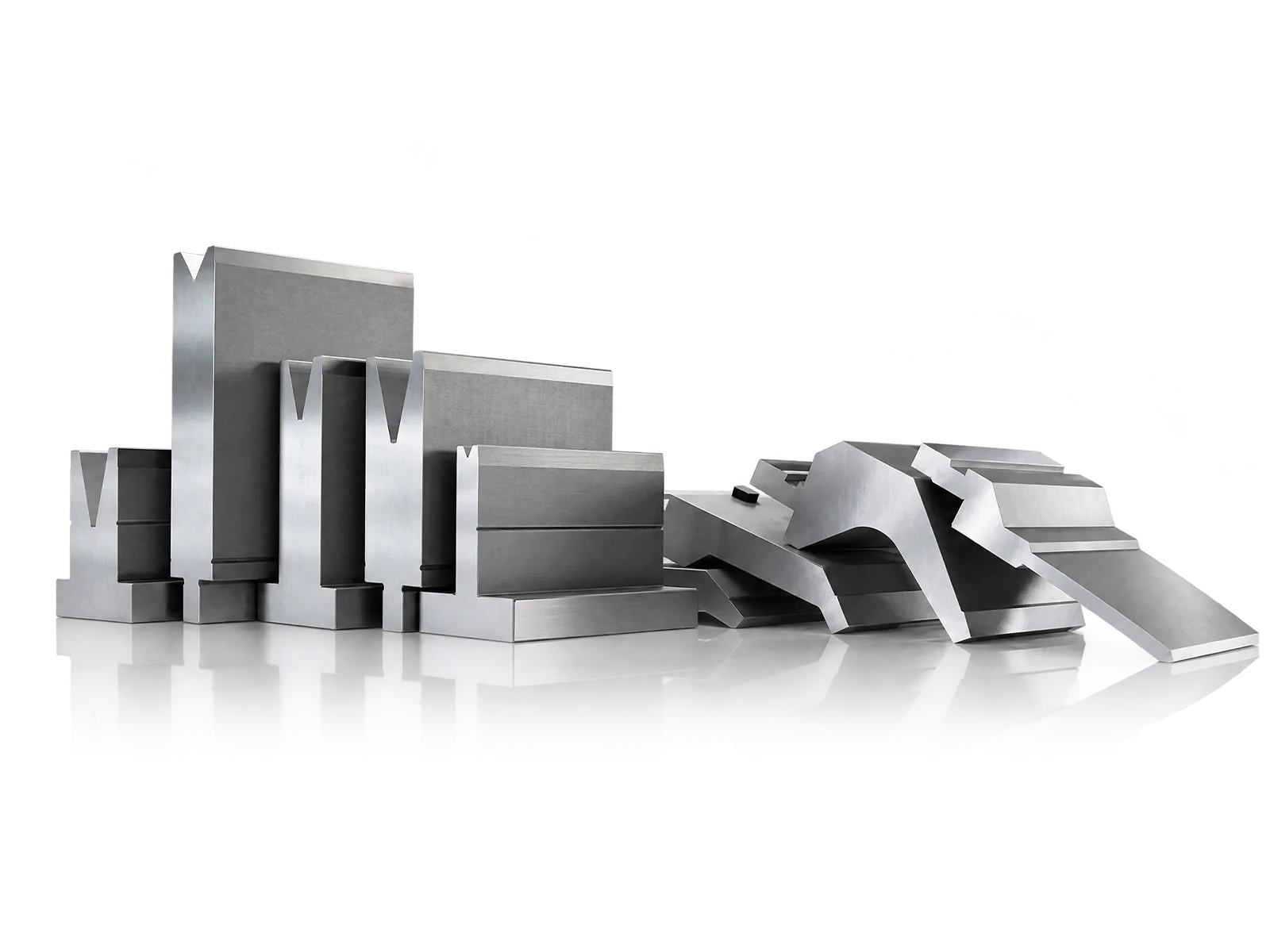
Tool material, heat treatment, hardness and geometry are selected for the part and forming process. Special tooling is defined from approved drawings.
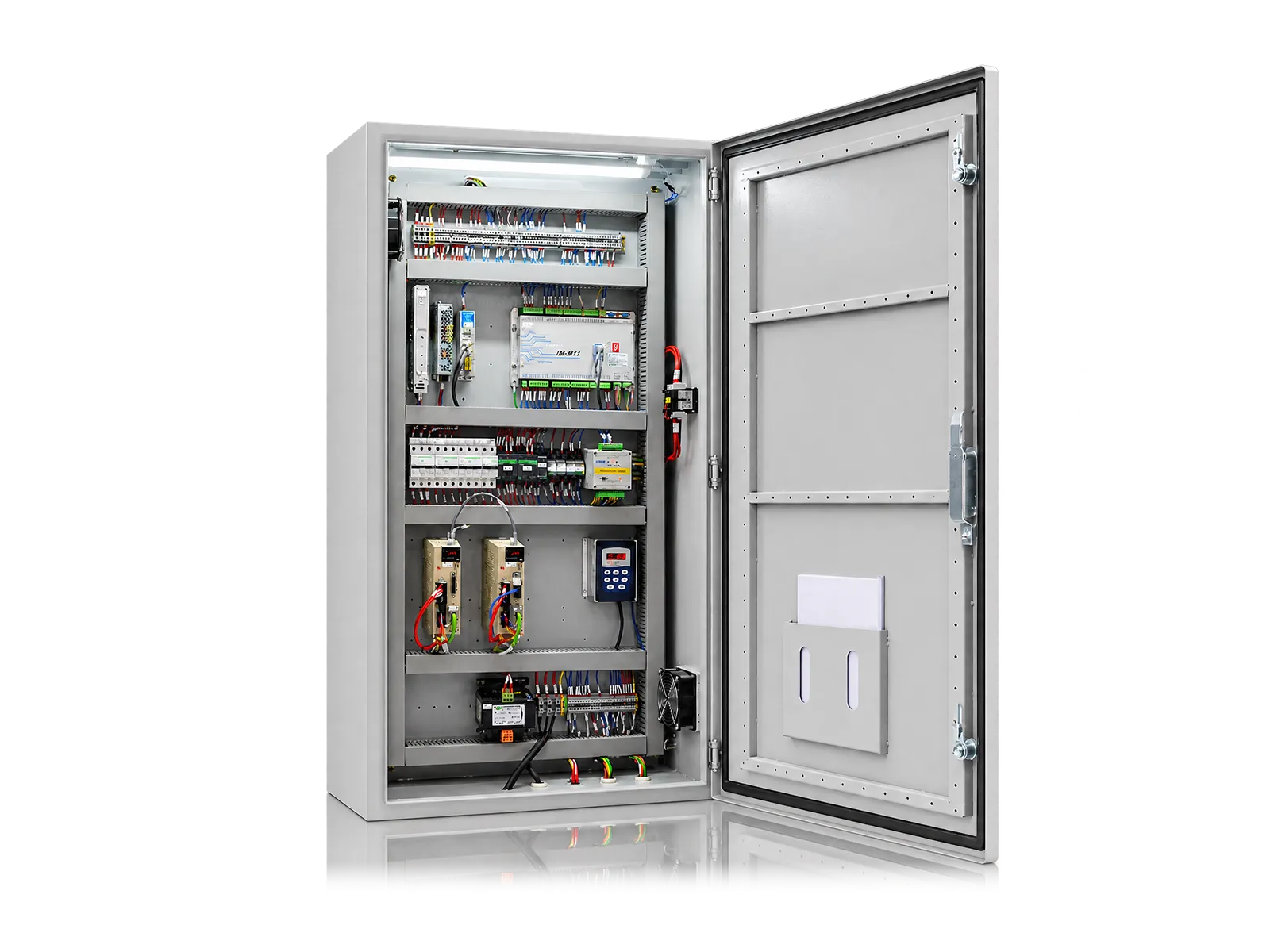
Modular electrical assemblies and keyed connectors can simplify installation and service where specified. Confirm enclosure protection, cooling, access and connector details in the approved electrical design.
Company documentation
Three original grants illustrate how ADH engineers handle specific production problems: unloading heavy workpieces, holding sheet in position and setting shear blade clearance. The grant records identify the mechanism behind each design.
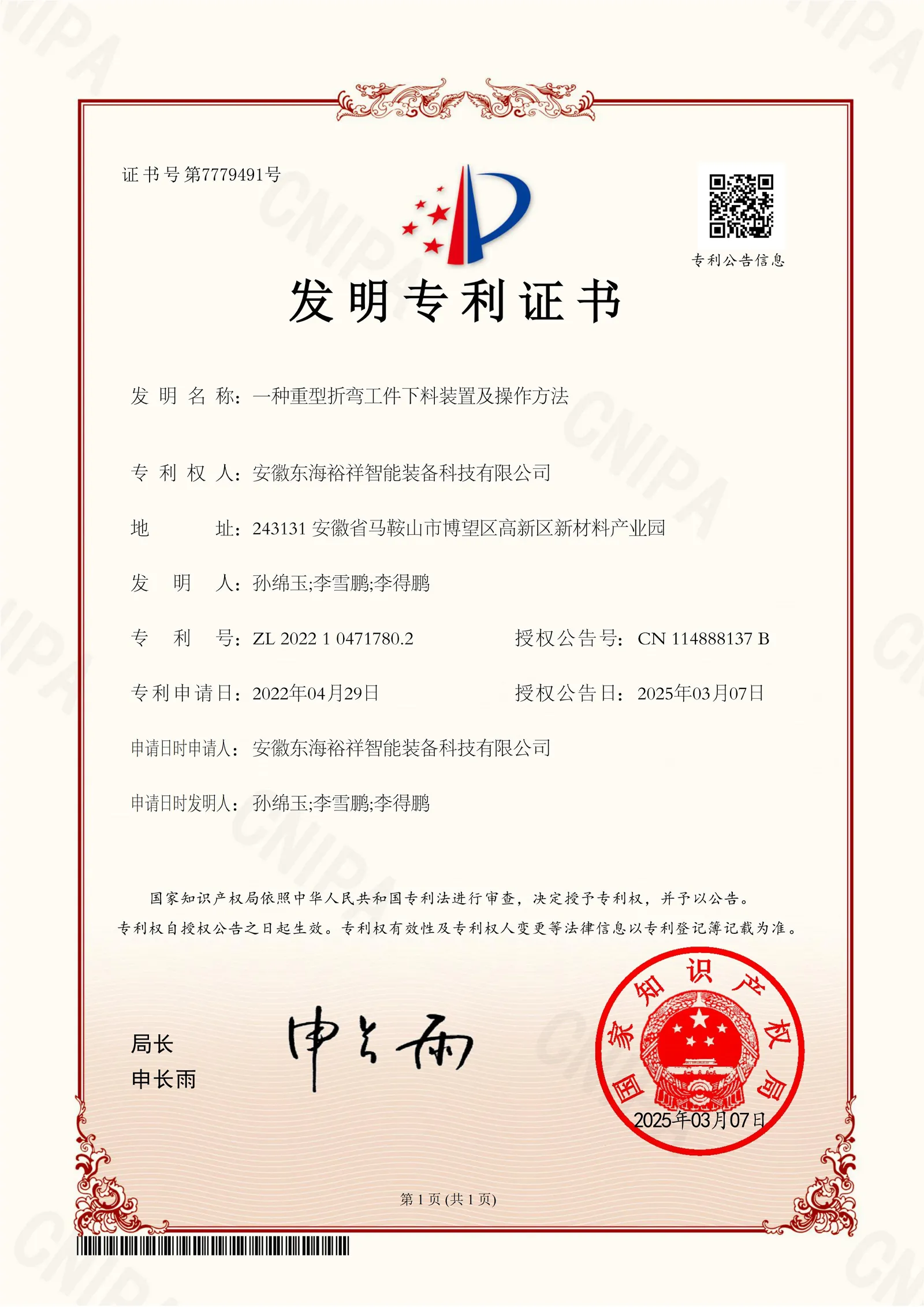
Invention patent
An unloading device and operating method for heavy bent workpieces.
View original ↗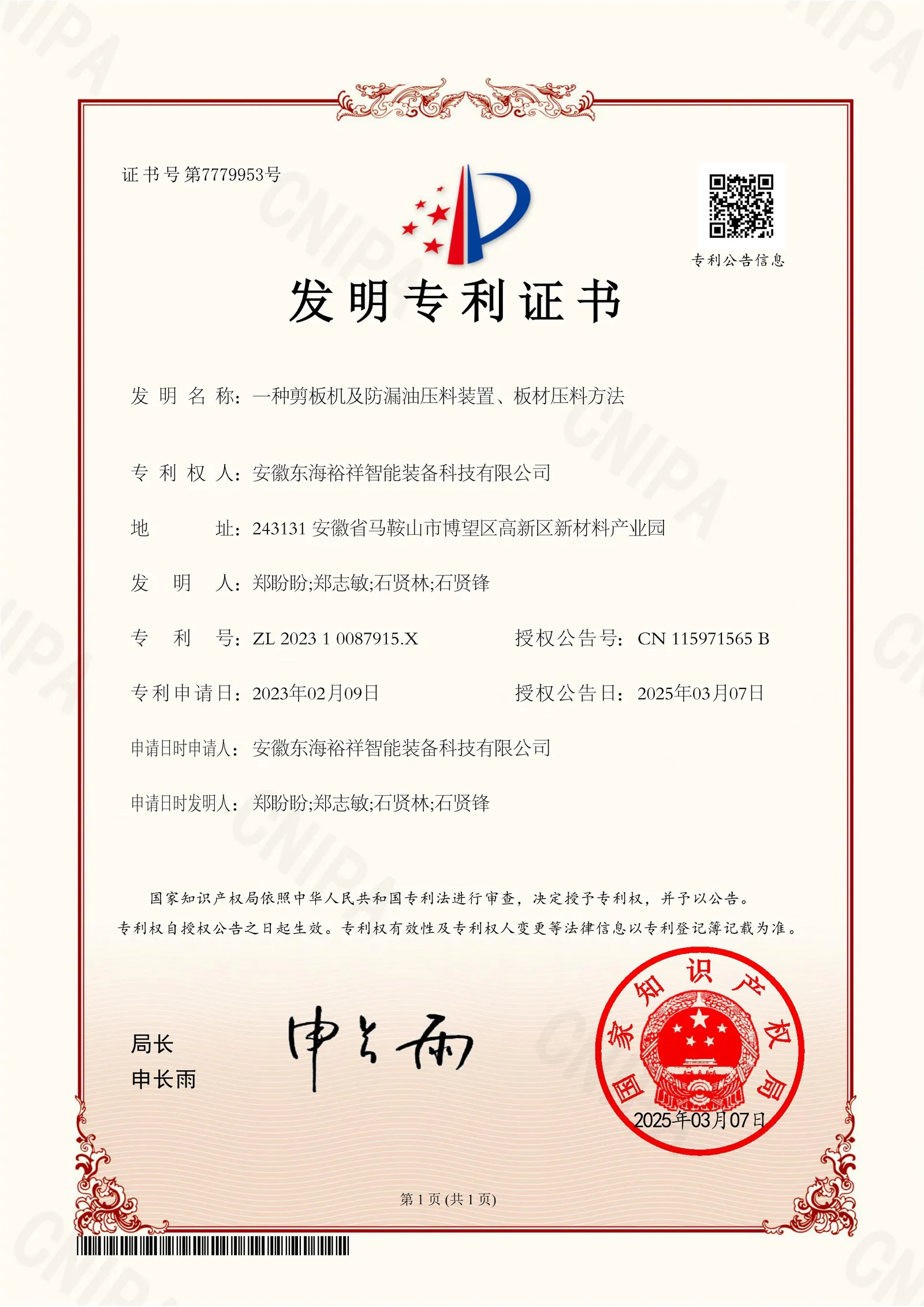
Invention patent
A shearing-machine hold-down arrangement and sheet clamping method.
View original ↗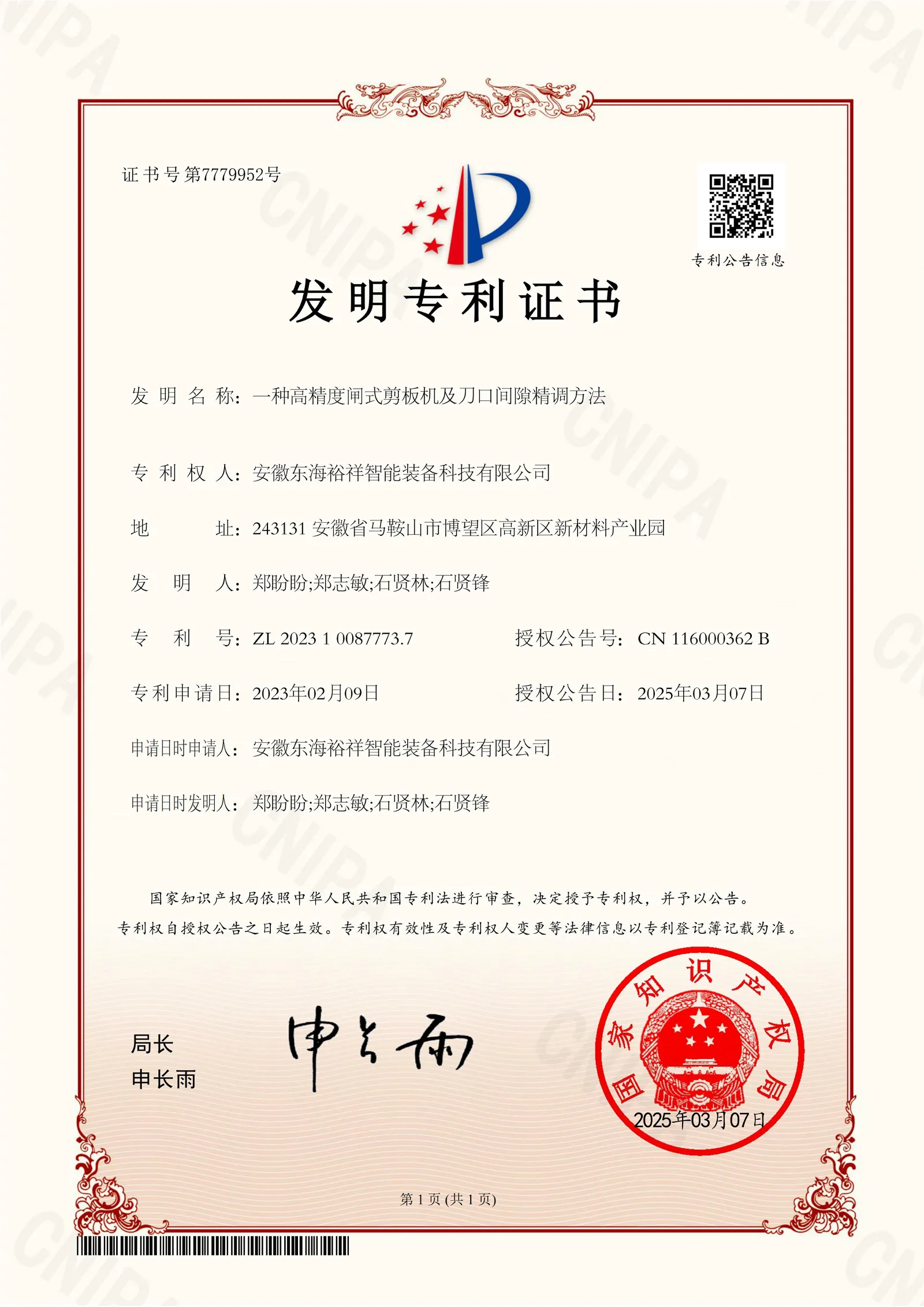
Invention patent
A guillotine shear and method for fine adjustment of the blade gap.
View original ↗Automation and integration inputs
When the machine joins a cell, layout, handling, safeguarding, controls and data connections become part of the engineering inputs.
Layout and access
Define pallets, parts, transfers, aisles, maintenance access, utilities, foundations and the position of every connected module.
Machine and control interfaces
Specify dimensions, loads, signals, states, protocols, responsibilities, faults and recovery at each interface.
Safety and acceptance
Define the drawings, risk controls, program records, sample parts and full-cycle test required before release.
Application and site inputs
Share the material, part geometry, process, output target and site constraints. ADH can define the machine, interfaces and validation plan before quotation.