
Factory architecture
WIS, material flow and machine cells
CONNECTED SHEET-METAL PRODUCTION
Define the machine signals, monitoring requirements and interfaces for your production system.
Factory architecture
WIS, material flow and machine cells
Physical flow
Storage, loading, cutting and forming
Before acceptance
Interfaces, safety, exceptions and production tests
Factory inputs
Define the orders, materials, equipment and production decisions the system must coordinate.
01 / DEMAND
Provide order sources, product mix, batch sizes, priorities, due dates, changeover and the decisions the system must support.
02 / MATERIAL
Define sheet formats, storage, replenishment, loading, remnants, sorting, finished parts and manual recovery.
03 / SYSTEM
List machines, controllers, modules, protocols, users, plant systems, cybersecurity and acceptance records.
CONNECTED PRODUCTION ARCHITECTURE
Choose the machines, modules and interfaces needed for your factory. Confirm their capacity and operating conditions.
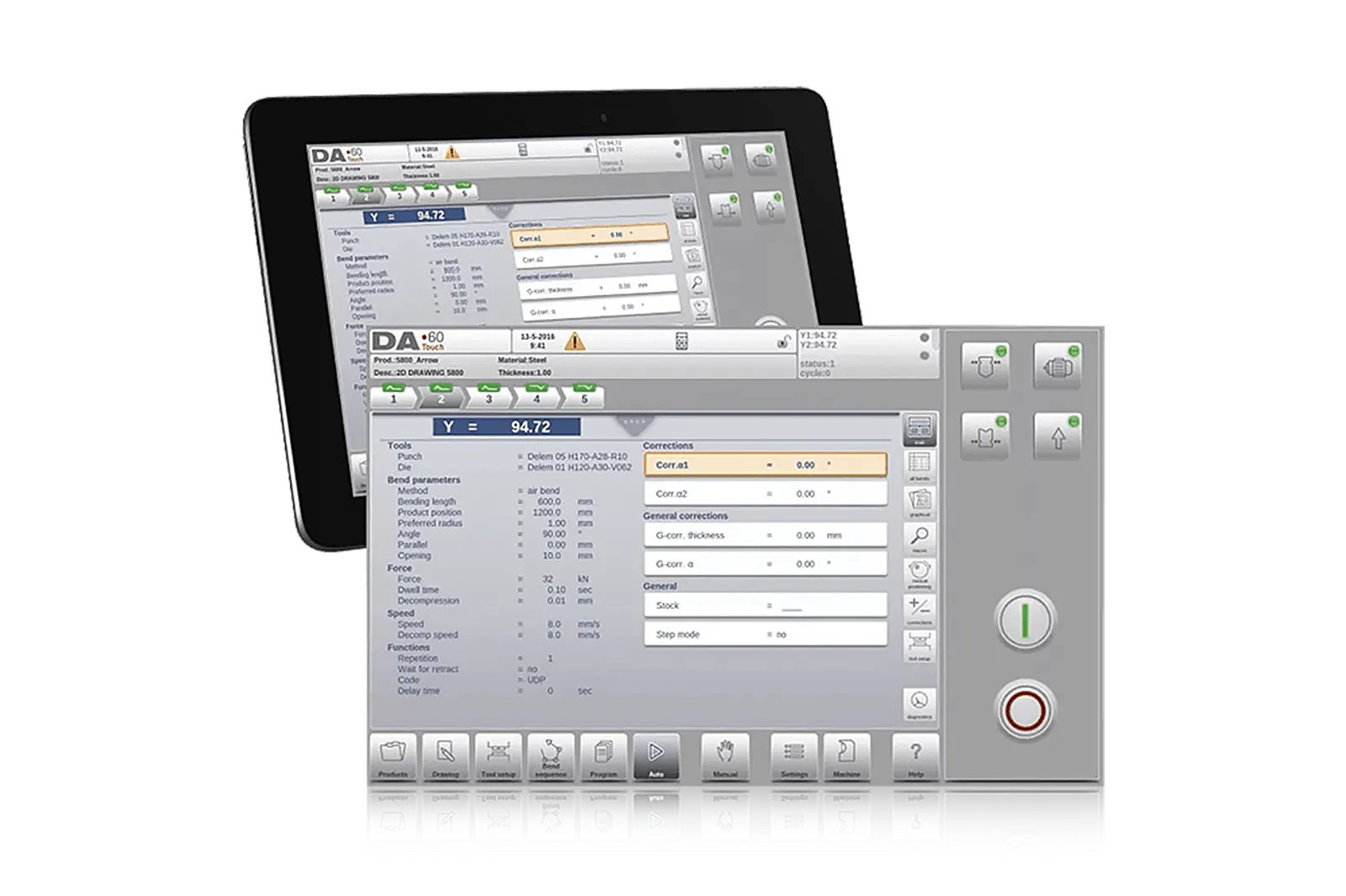
Define order import, scheduling, dispatch, status and priority changes, plus the relationship to MES/ERP/WMS.
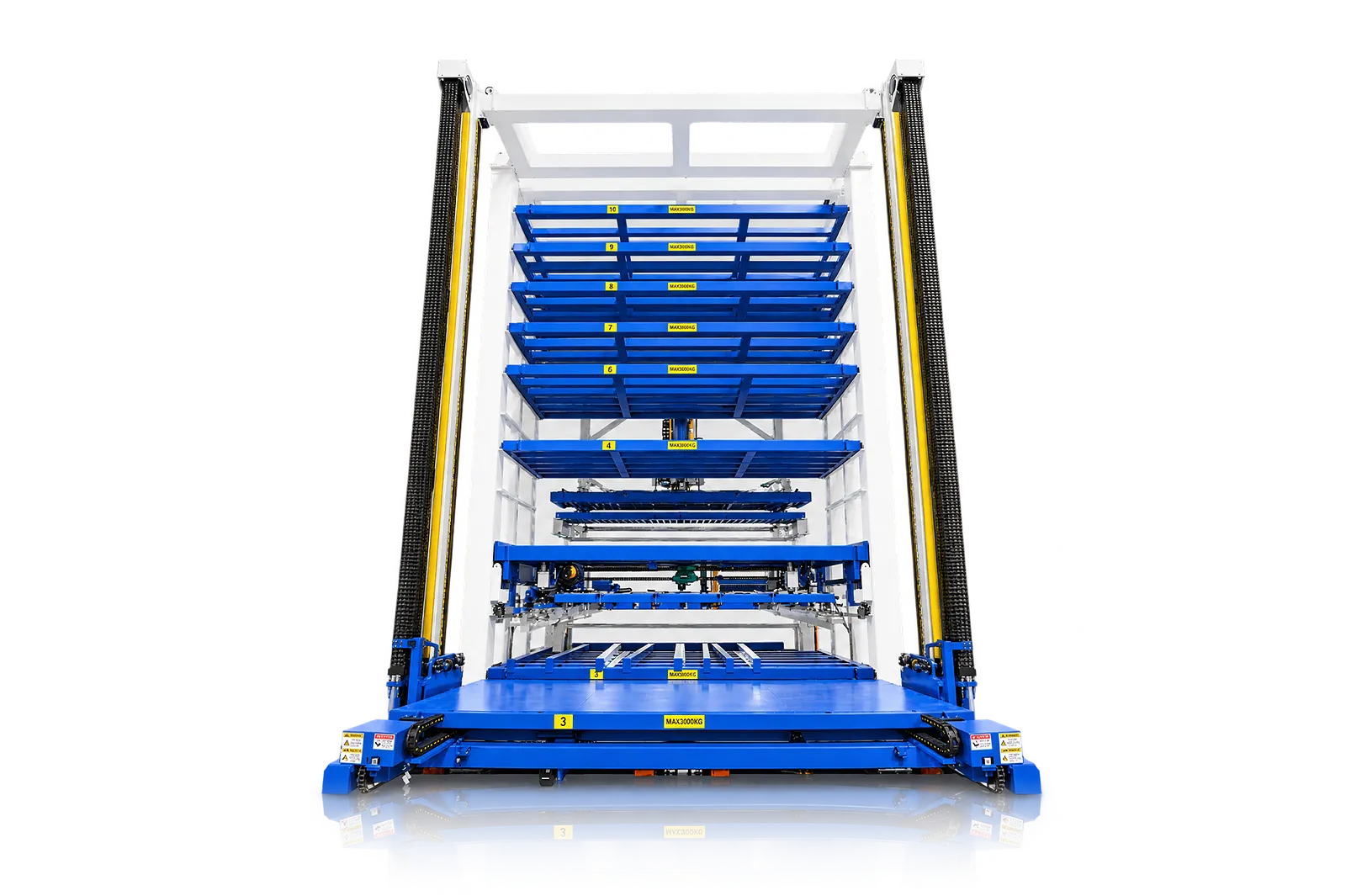
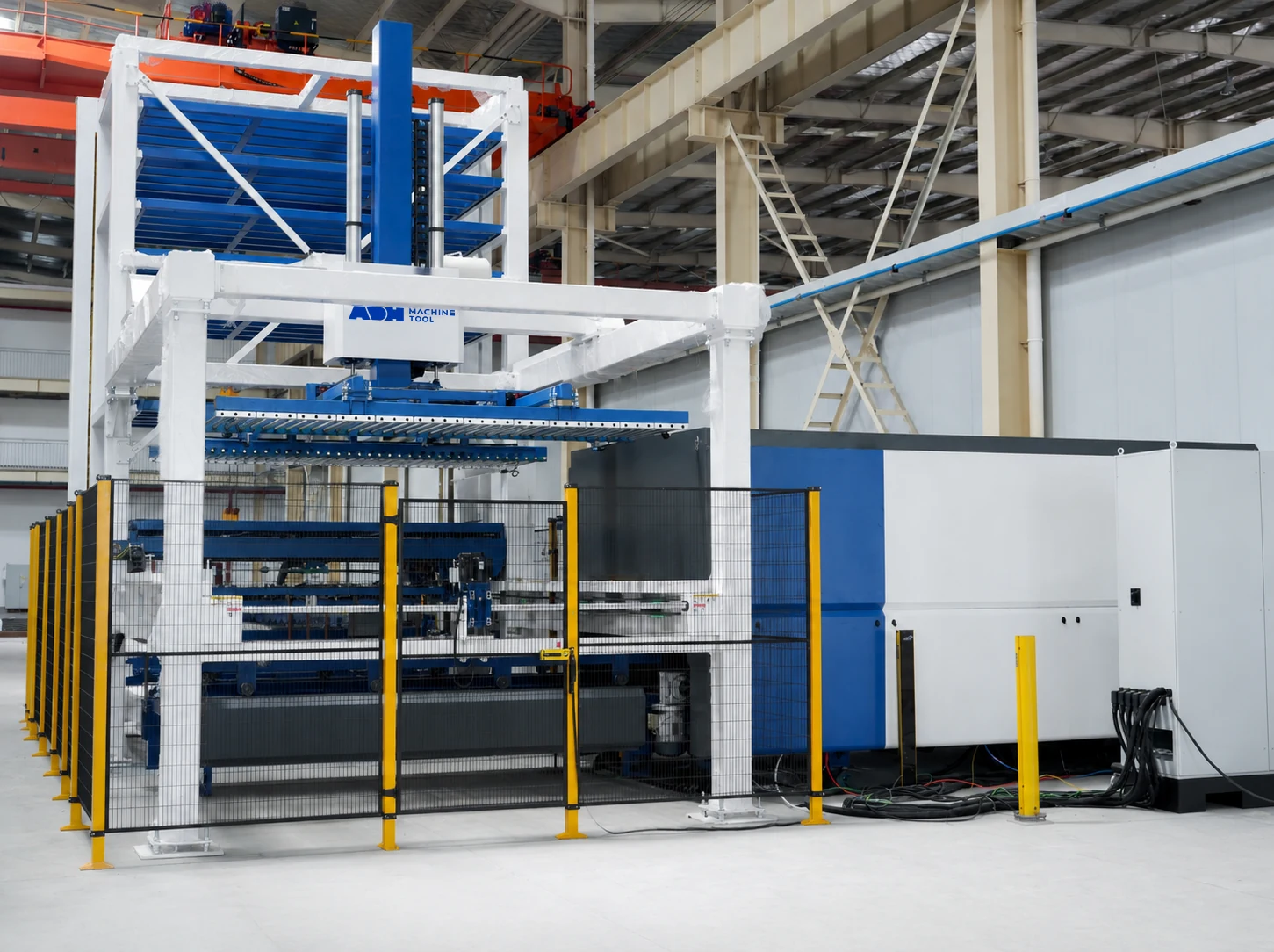
Define pallet locations, payload, replenishment, return material and manual-access states.
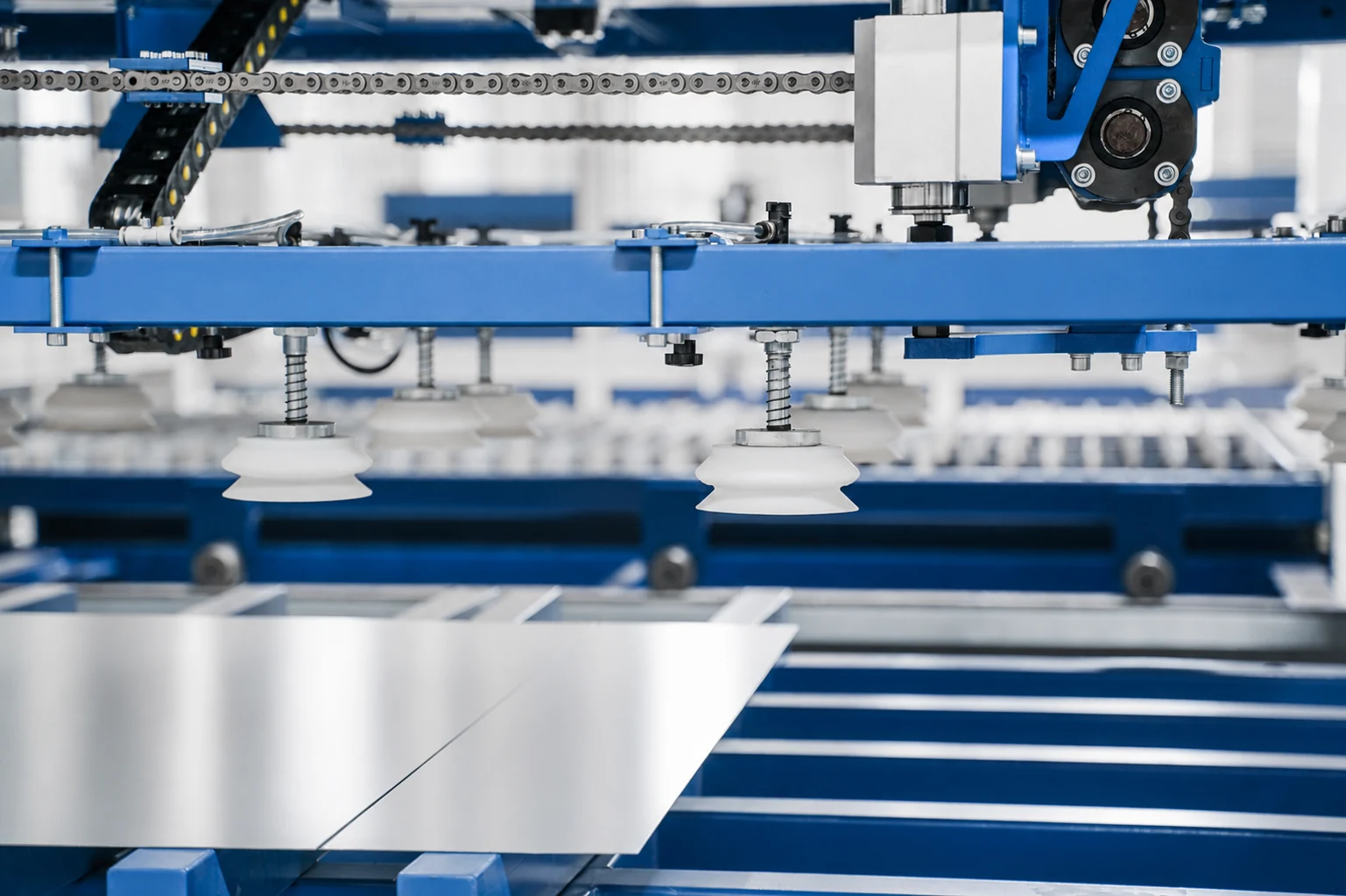
Select pickup zones, separation checks, surface protection and recovery for each material and format.
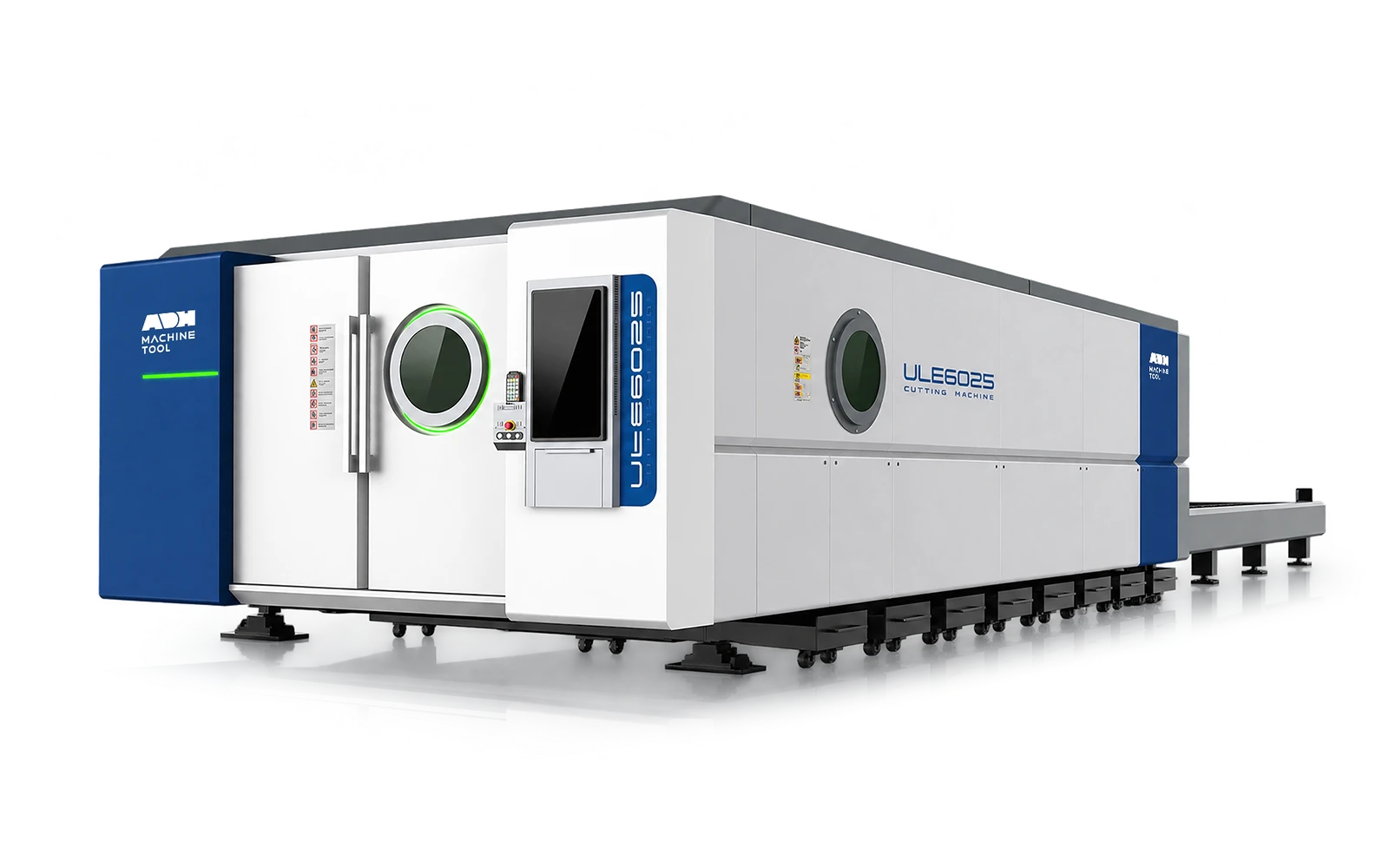
Connect one exact laser host with task files, nesting, status, unloading, remnants and scrap handling.
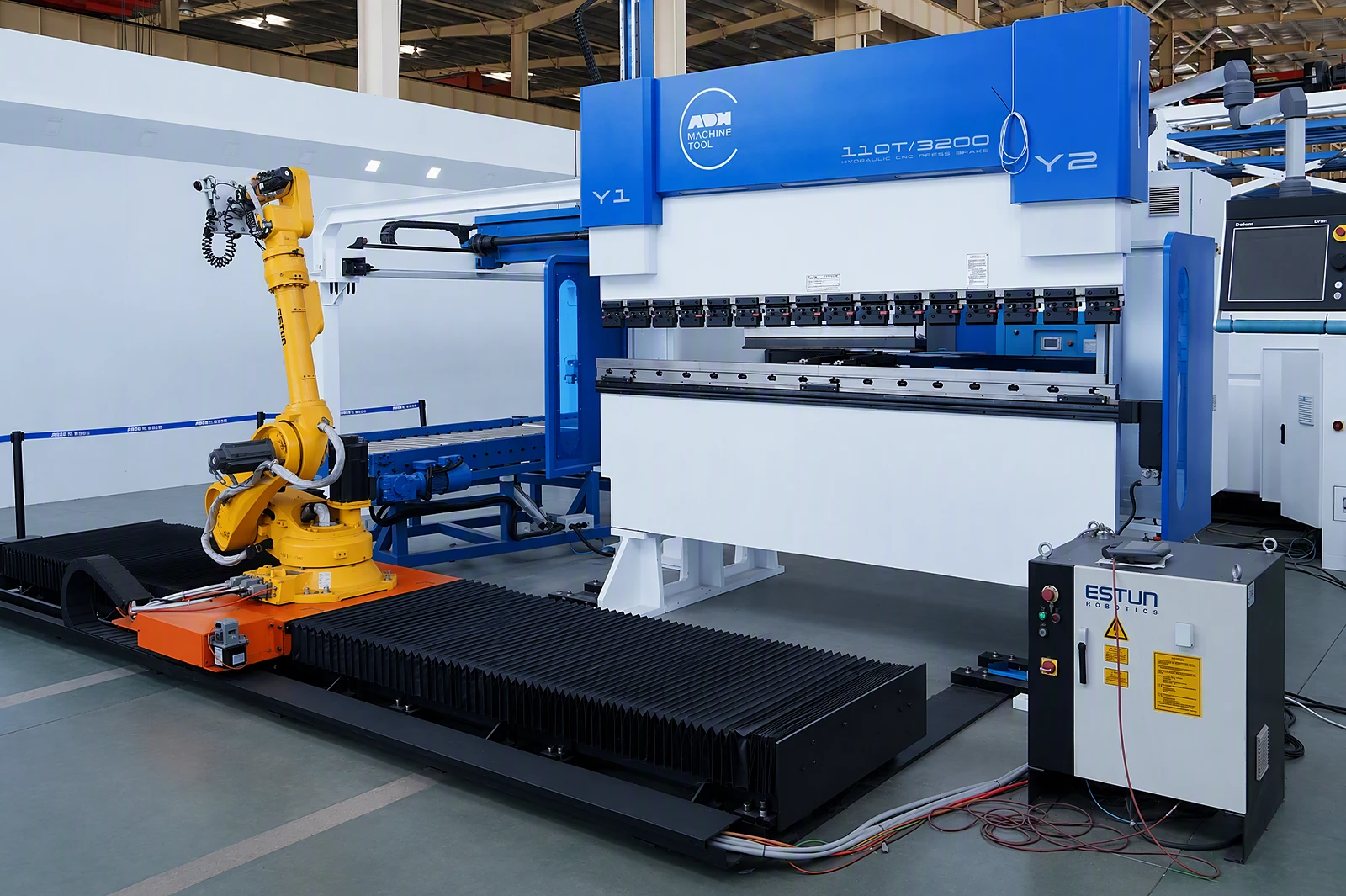
Map identification, pickup, reorientation, tool/program selection, bending, inspection and exceptions for the part family.
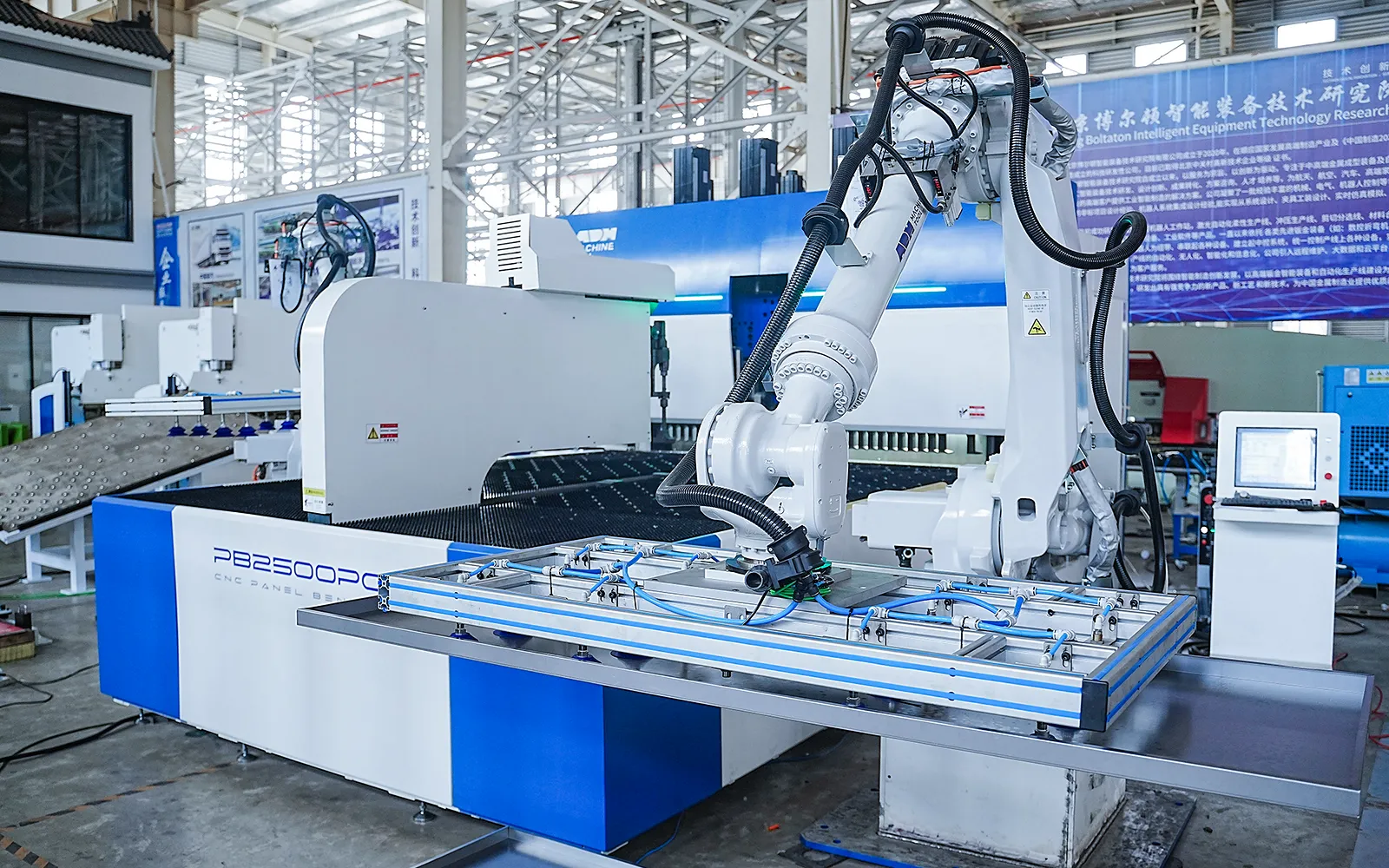
Treat panel bending, AGV, sorting and added machines as separately approved modules with explicit interlocks and data ownership.
FACTORY OPERATING CONDITIONS
A connected factory is ready when low stock, double sheets, alarms, remnants, stops, restarts and data failures have clear actions and owners.
Factory decisions
The architecture is modular; interfaces, capacities, cycle time and unattended operation are determined by the site design.
Available architecture
The solution links WIS-based production planning with modular storage, loading, cutting, sorting and bending cells.
Configured for your factory
Select host models, storage, loaders, robots, software modules, protocols, site utilities, guarding and recovery for the real factory.
Acceptance with real orders
Test representative orders, materials, handoffs, exceptions, manual fallback, data records and agreed outputs before handover.
BEFORE YOU CONTACT ADH
A useful proposal starts with the target flow, included modules, interfaces, site constraints and acceptance tests.
Yes, when the first cell and its future handoffs are defined; later expansion is a separate decision.
Send order examples, product mix, material formats, layout, equipment, target flow, shifts, output goals, software systems, safety constraints and representative exceptions.
WIS does not automatically replace MES, ERP or WMS. Define ownership of orders, inventory, programs, status, quality records and users, then agree interfaces.
Name every machine/module, software function, interface, utility, guarding, fallback, installation task, acceptance test, training and support responsibility.
Project enquiry
Tell us what you want to make or improve. Technical details and drawings can follow.
Contact ADH
Name, email and a short description are enough to begin.